China makes most of the world’s clothing — so if you’re dropshipping apparel, you’re almost certainly sourcing from China whether you realize it or not. The challenge in 2026 isn’t finding clothes to sell. It’s navigating the specific problems that come with Chinese apparel sourcing: sizing that runs small, quality that varies by factory, fabric that looks better in photos than in person, and the new import rules that changed the math this year.
This guide is written from the sourcing side. We move clothing out of Chinese factories for thousands of stores every day, so rather than the usual surface advice, we’ll cover what actually decides whether your fashion store succeeds: which regions make what, how to tell a real factory from a marketplace reseller, how to solve the sizing and quality problems before they reach your customer, and what the 2026 tariff changes mean for your margins.
If you already know you want a sourcing partner to handle this for you, our clothing dropshipping service page covers what we do. This guide is for understanding how China clothing sourcing works — so you can make good decisions whether you use an agent or not.
Why source clothing from China?
For all the talk of “ship local” alternatives, the reason nearly every clothing store still sources from China is simple: no other country combines the same scale, price, and speed. China is the world’s largest apparel manufacturer and exporter by a wide margin, and that dominance translates into concrete advantages for a dropshipper:
- Price at the factory level. Because the entire supply chain — fabric mills, dye houses, trim suppliers, sewing factories — sits within a few hours of each other, Chinese clothing is produced at costs no other region matches. Sourced direct from the factory rather than through a marketplace, your unit cost leaves real room for margin.
- Unmatched variety and trend speed. China’s manufacturing clusters can turn a trending style on TikTok into a shippable product in days, not seasons. For a fashion store that lives and dies on trends, that speed is the difference between catching a wave and missing it.
- Depth at every level. Whether you want a $3 basic tee or a technical activewear blend that rivals Lululemon, the range of factories means you can source almost any product, quality tier, and price point — and scale it when it sells.
The catch is that this scale cuts both ways. The same vast supplier base that gives you choice also hides the bad factories among the good ones — which is why how you source from China matters far more than whether you do. The rest of this guide is about doing it well.
China's clothing manufacturing regions: who makes what
Here’s the single most useful thing to understand about sourcing clothing from China, and the thing generic guides never tell you: China isn’t one clothing supplier — it’s a set of regional specialists. Each region built its entire ecosystem around specific product types over decades, and sourcing your product from the right region is the difference between factory-grade quality at a real price and a mediocre version from a generalist market reseller. When we source a product, the region is the first decision we make.
Guangdong — fast fashion, knitwear, and the SHEIN ecosystem
Guangzhou is the center of gravity for trend-driven fashion. The Panyu district is the heart of the small-batch fast-fashion network that powers SHEIN — factories built to take a trending design and produce it in small runs within days, then scale instantly if it sells. The Zhongda fabric market nearby is the largest fabric-sourcing hub in the country, which is why fabric variety and speed here are unmatched. Source here for: trend-driven women’s fashion, fast-fashion pieces, knitwear, and anything where speed-to-market matters more than long production runs.
Zhejiang — women's wear, knitwear, and the e-commerce heartland
Hangzhou’s Sijiqing market is one of China’s defining women’s-apparel trend hubs, and the wider region has become the center of China’s e-commerce and live-stream fashion industry — meaning the factories here are tuned to online selling, small batches, and fast trend cycles. Nearby Yiwu supplies accessories, socks, and small apparel items at the lowest prices anywhere. Source here for: women’s wear, trend-led styles, knitwear, and accessories to complement an apparel line.
Fujian — activewear, sportswear, and athletic footwear
Jinjiang and Quanzhou form China’s sportswear and footwear capital — it’s the home base of major athletic brands, and the regional expertise in technical fabrics is generations deep. If you’re sourcing leggings, gym wear, or athletic shoes, this is where the squat-proof, moisture-wicking, properly-constructed product comes from. Source here for: activewear, leggings, sportswear, technical fabrics, and athletic footwear — the categories where a generic Guangzhou market supplier will quietly let you down.
The others worth knowing
Beyond the big three, a few regions specialize: Jiangsu and Shandong handle large-volume basics and OEM knitwear (t-shirts, blanks for printing); Haining in Zhejiang dominates leather and down jackets; and Shanghai’s smaller design-led workshops serve premium, design-forward labels. For most dropshippers, though, the big three cover the vast majority of products.
The operator takeaway: match your product to its region before you match it to a supplier. The most common sourcing mistake in clothing is buying activewear from a fast-fashion market or premium basics from a trend factory — you get a product that’s “fine” instead of one that’s right. A good sourcing agent picks the region first; a marketplace listing hides which region (and which factory tier) you’re even getting.
The China-specific challenges (and how to solve them)
Sourcing clothing from China comes with a predictable set of problems. None of them are dealbreakers — they’re all solvable — but every one of them reaches your customer if you don’t handle it on the sourcing side first. These are the three that cause the most damage.
The sizing problem — China's number one return driver
This is the biggest one, and it’s structural: Chinese sizing runs significantly smaller than US and EU sizing. A Chinese “XL” is often closer to a US Medium, sometimes a Small. If you list the supplier’s size labels on your store, a chunk of your customers will receive clothes that don’t fit — and in apparel, “doesn’t fit” is the single largest cause of returns, refunds, and one-star reviews.
The fix is non-negotiable and it happens before the product ever ships: never trust the supplier’s size label — work from actual measurements. Build your own size chart in centimeters from real garment measurements, publish it on your product pages, and have every order physically measured against it before dispatch. A garment that measures wrong gets rejected, not shipped. We cover the exact China-to-US/EU conversions in our Chinese clothing size chart guide — get this one thing right and you eliminate the majority of clothing returns before they happen.
The quality and fabric problem — photos lie
The second problem is the gap between the listing photo and the product in hand. A top that looks substantial on screen arrives thin and see-through; a “premium” hoodie has loose threads and uneven stitching; activewear turns transparent when stretched. Customers in 2026 have zero patience for this — the package gets photographed, the review goes up, and your ad spend on that product stops converting.
The fix is physical quality control the customer never sees. Before selling a product, order a sample and check it in hand — fabric weight, opacity, stitching, the actual feel. Then, on every order, the garment should be inspected for loose threads, holes, stains, and odors before it ships. This is exactly the gap a sourcing agent fills: someone on the ground in China checking the physical product, so a bad piece gets caught at the warehouse instead of at your customer’s door.
The MOQ reality — what needs a minimum and what doesn't
There’s a common misunderstanding that clothing always requires large minimum orders. It depends on what you’re doing. Standard dropshipping has no MOQ — you sell one, the supplier ships one. Minimums only enter the picture when you brand or customize: sewing your own neck labels, custom hang tags, or private-label production. Even then, the minimums are smaller than people expect — often a few hundred labels rather than thousands of garments — and a good agent holds your branded materials and applies them per order, so you’re never sitting on inventory. The takeaway: don’t let “MOQ fear” stop you from sourcing clothing from China — for plain dropshipping there isn’t one, and for branding it’s low.
How to vet a Chinese clothing supplier
The vast supplier base that makes China powerful also makes it dangerous: for every real factory, there are dozens of resellers and trading companies dressed up to look like one. Most “suppliers” on AliExpress and even 1688 are middlemen — they buy from a factory, mark it up, and forward your order with no control over what actually ships. Vetting is about getting past them to a real production source. Here’s what separates a supplier worth using from one that will cost you reviews.
Factory or reseller? This is the first question, and the most revealing. A real factory (or a factory-direct agent) can tell you which region and which production line your product comes from, can customize it, and can reproduce a winner quickly. A reseller dodges those questions because they don’t actually know — they’re forwarding orders. If a supplier can’t tell you where the product is genuinely made, you’re paying a middleman markup for a product you can’t control.
Beyond that, a clothing supplier worth your business should pass on every one of these:
- Sizing discipline. Do they measure garments against your size chart in centimeters before shipping — or just trust the factory label? This alone prevents most of your returns.
- Per-order quality control. Do they physically inspect each garment for loose threads, stains, holes, fabric quality, and odor? Will they send photo reports? “We check quality” means nothing without a process.
- Real sampling. Will they send you a sample before you commit to selling a product? A supplier who resists sampling is hiding the gap between the photo and the product.
- Branding capability. Can they cut factory tags and sew in your neck labels, add hang tags, and pack in custom bags? This is what lets you build a brand instead of advertising for the factory.
- Shipping lanes and times. Do they run dedicated fashion lines to the US and EU with realistic times (roughly 5–10 days, not 20–30), with tracking — and do they handle the 2026 customs changes cleanly?
- Responsiveness. How fast and how clearly they answer your questions before you’re a customer is the best preview of what support looks like when something goes wrong.
The honest shortcut: vetting Chinese factories one by one — verifying they’re real, sampling, checking QC, negotiating MOQs — is genuinely hard from another country and another time zone. This is the core reason most serious clothing sellers stop sourcing from marketplaces and move to a sourcing agent: the agent is the vetting layer. Instead of you verifying factories, the agent has already done it and stakes their reputation on the product that ships. You’re not just buying fulfillment — you’re buying the vetting you’d otherwise have to do yourself.
Shipping and the 2026 tariff reality
Two things about getting clothing from China to your customer changed the math in 2026, and both are worth understanding before you price your products.
Shipping is faster than its reputation — if you use the right lanes. The “China takes 20–30 days” complaint comes from cheap AliExpress economy shipping. Dedicated fashion lines to the US and EU now deliver in roughly 5–10 days with tracking, which is competitive enough that delivery time is no longer the dealbreaker it once was — provided your supplier uses those lanes rather than the cheapest one.
Tariffs changed the cost side, and clothing felt it. The era of duty-free low-value imports is ending: the US removed its de minimis exemption in 2025, and the EU’s new €3-per-item import duty begins in July 2026. Because clothing is often low-priced and high-volume, these per-parcel duties hit fashion harder than most categories — a few euros of duty on a $15 top is real margin. Two responses matter: lift your perceived value through branding so the product isn’t competing as a cheap commodity (which is the whole reason to source well and brand, covered on our clothing dropshipping service page), and for proven bestsellers, pre-stock in a US or EU warehouse so you import in bulk once instead of paying a per-parcel duty on every order. We break down the country-specific rules in our US dropshipping 2026 guide.
Best clothing niches to source from China
Trying to sell “clothing” in general is the fastest way to lose. The market is too broad to brand and too crowded to compete in. The stores that win pick a specific sub-niche and become the go-to source for it — and each sub-niche has its own ideal sourcing region and its own thing to watch for. These are the most profitable apparel niches to source from China, with the sourcing angle for each:
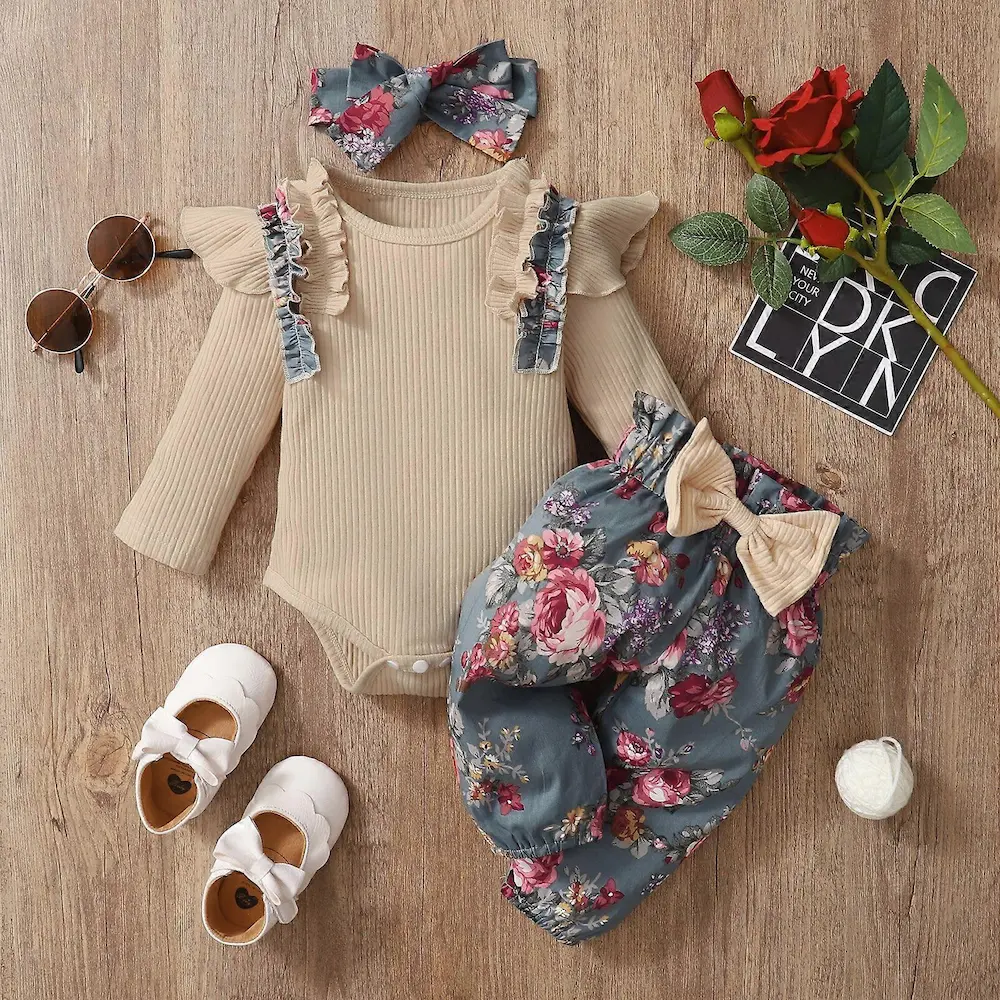
- Baby clothes. High emotional value and constant repeat demand, but the one thing that matters is fabric safety — source soft, chemical-free organic cotton, because parents check, and a skin reaction is a brand-ending review. See baby clothes dropshipping.
- Leggings and activewear. A huge market, and the category where region matters most: source from Fujian’s technical-fabric factories, not a generic fast-fashion market, so your leggings are genuinely squat-proof and opaque instead of see-through. See leggings dropshipping.
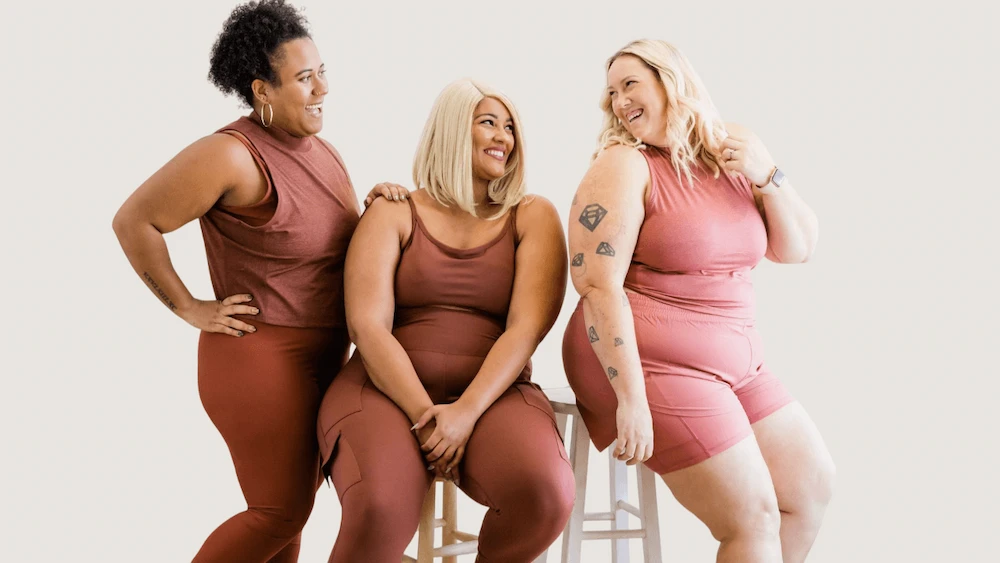
- Plus size. One of the most underserved and loyal markets, where accurate sizing is everything — this niche lives or dies on hand-measured, true-to-US/EU fits, which makes per-order measurement non-negotiable. See plus size dropshipping.
- Swimwear. Highly visual and perfect for TikTok, but quality-sensitive — source for clean linings, colorfast fabric that won’t fade, and consistent stitching, since swimwear defects are immediately visible. See swimwear dropshipping.
- Underwear. A high-repeat, high-loyalty category built on fit and fabric comfort. It has its own dedicated sourcing playbook — see our underwear dropshipping service, the full underwear dropshipping guide, and the best underwear suppliers comparison.
The pattern across all five: a focused niche lets you source the right product from the right region and build a brand customers return to — which is exactly what generic clothing dropshipping can’t do.
Sourcing your clothing line from China
Everything in this guide — picking the right region, getting past resellers to a real factory, measuring every garment to your size chart, checking fabric and stitching before it ships, branding it as your own, and moving it on fast lanes — is exactly what we do at DailyFulfill. We’re a China-based sourcing and fulfillment agent built for fashion: we source from the right manufacturing cluster for your product, run quality control on every garment, sew in your neck labels and pack in your branding, and ship to the US and EU in 5–10 days — the setup behind 6,000+ stores at a 4.9★ Trustpilot rating.
In other words, we’re the vetting layer this guide describes — so instead of verifying factories from another time zone, you send us a product and we handle the sourcing side. Get a free quote and we’ll source your clothing line against your size chart and quality standards.

 English
 Français
 Deutsch
 Nederlands
 Polski
 Español