
 English
 Français
 Deutsch
 Nederlands
 Polski
 Español
Coverage under stretch
Opacity can change with fabric construction, weight, color, print and stretch. Confirm the claim for the specific SKU and test method.
Bring us a live SKU, an existing supplier, a reference sample or your own design. We coordinate fabric and construction confirmation, size review, sample approval, agreed quality checks, labeling, unit packing, inventory and global fulfillment—from ready-stock testing to repeat-order and private-label programs.
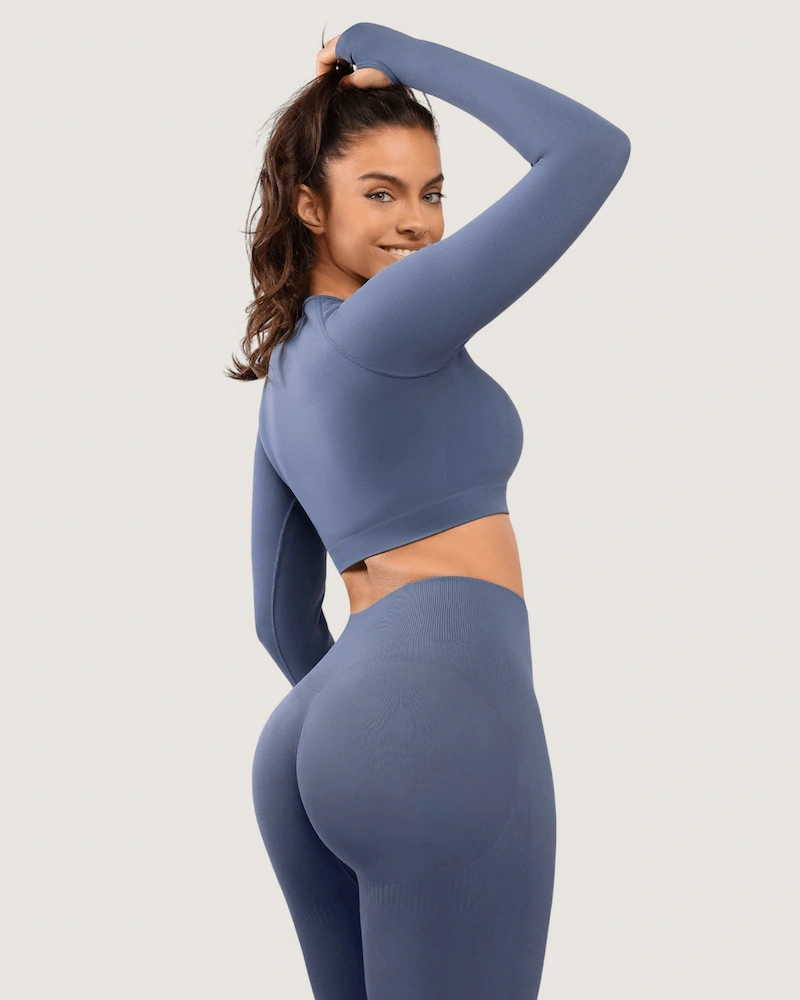
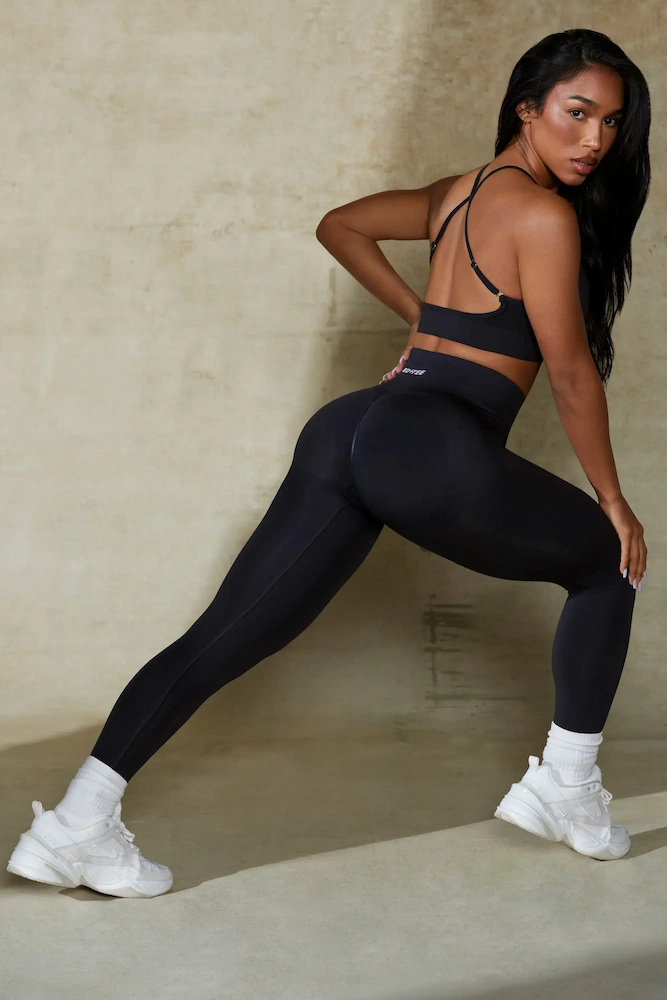
Two leggings can look identical online while using different fabric, measurements, waistband construction, seams and finishing. The product record needs to define what the customer is actually buying.
Opacity can change with fabric construction, weight, color, print and stretch. Confirm the claim for the specific SKU and test method.
Supplier S, M and L labels are not universal. Keep actual measurements, the measurement method and the approved market chart.
Waistband height, recovery, seam placement and high-stress points influence rolling, slipping, chafing and seam failure.
Color, surface feel, odor and print appearance can move between samples and batches without an approved comparison reference.
The goal is not to make every legging identical. It is to record the attributes that matter so sourcing, bulk approval, receiving and reorders use the same reference.
Supplier-declared composition, fabric structure, weight when relevant, stretch direction and approved hand feel.
Waist, hip, rise, inseam, total length and agreed tolerance measured using one repeatable method.
Waistband height, seam placement, pockets, gusset, closures and the high-stress points to review.
Approved color or print appearance, logo position, surface finish and any agreed comparison standard.
Size and care information, brand labels, hangtags, included items, fold method and individual packaging.


A universal promise to inspect every pair is not useful unless the checkpoints, sampling level, method and acceptance criteria are defined. The scope should follow the product risk and order history.
The exact inspection rate is agreed by product and risk. Higher-rate or 100% inspection can be arranged when requested, after recurring batch issues, or for the first bulk arrival of a higher-risk custom SKU.
Product branding, compliance information and presentation materials can use different suppliers, minimums and lead times. The packout record keeps the correct components connected to each legging variant.
Confirm application method, position, color, dimensions and the approved visual result.
Map the correct size, care and composition information to the applicable product and market requirements.
Approve the fold method, individual bag or alternative unit pack, label position and presentation standard.
Coordinate hangtags, inserts, stickers, branded bags or mailers after format, size, minimum and timing are confirmed.
For current ratings and customer wording, use the live Trustpilot profile rather than a hard-coded score that can become outdated.
 Read verified reviews ↗
How supplier questions, shortages, delays and fulfillment exceptions are explained.
How approved samples, size records, branded materials and recurring SKUs stay connected.
How measurement discrepancies, nonconforming batches, wrong variants and shipping issues are investigated and escalated.