Eligible order import
Orders can enter DailyFulfill after store authorization, products, variations, SKUs, inventory source, and fulfillment location are mapped.
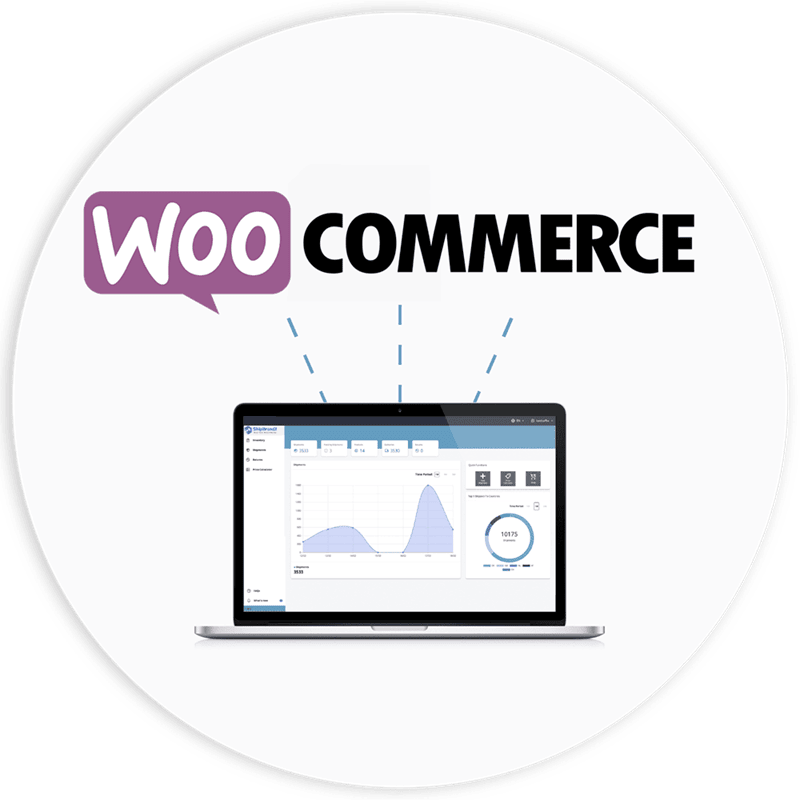
Connect your WooCommerce store through the approved DailyFulfill workflow. Once permissions, products, SKUs, inventory source, and fulfillment rules are mapped, eligible orders can enter our system and tracking can return after dispatch.
Mapped Order Import • Post-Dispatch Tracking Updates • 6–12 Days US • 3–8 Days Europe
WooCommerce gives you control over your storefront, product data, extensions, and customer experience. Fulfillment should connect to that environment through an agreed workflow for permissions, products, inventory, order checks, packing, shipping, tracking, and exceptions.
A store connection is only one part of fulfillment. Without agreed rules for data, stock, order verification, packaging, shipping, and exceptions, automation can move the wrong information faster instead of preventing errors.
Products, variations, bundles, custom options, or fulfillment locations may not enter the workflow correctly until store fields and SKUs are mapped.
The connection should define which order information is required, how it is used, and who handles data that is missing, changed, or rejected.
Multi-currency plugins, custom checkout fields, taxes, and store extensions can change the order data available through the connection and should be tested.
Blank packaging, branded materials, inserts, bundles, and order-level checks need written rules rather than assumptions based on the storefront design.
Connect the store, confirm permissions, and map products, variations, SKUs, inventory source, and fulfillment rules before eligible orders enter the workflow.
The connection can move approved order and tracking data, but reliable fulfillment still depends on mapped product data, available inventory, agreed checks, packing, shipping, and exception rules.
Orders can enter DailyFulfill after store authorization, products, variations, SKUs, inventory source, and fulfillment location are mapped.

Tracking and fulfillment status can return to WooCommerce after a shipment is created successfully. Rejected or incomplete updates remain exceptions for review.
Holds, cancellations, address changes, duplicate orders, out-of-stock items, custom fields, split shipments, and special handling may need confirmation.
Store permissions, product and variation mapping, SKU rules, inventory source, fulfillment location, cut-off time, shipping routes, order-level checks, packing rules, cancellation and address-change rules, and who resolves synchronization exceptions.
WooCommerce stores may accept different currencies, languages, shipping methods, and checkout fields. The fulfillment workflow should use approved order data and route rules rather than assume every store configuration behaves the same way.
Currency display, payment settlement, fulfillment pricing, and shipping rules are separate fields that should be confirmed.
If your store uses WPML, WooCommerce Multilingual, CurrencySwitcher, a custom checkout, or other extensions, confirm how currency, tax, shipping, product, variation, and SKU data appear through the connection before live orders begin.
Preparation time is separate from transit time. For pre-stocked, order-ready inventory, the shipping route and estimate are confirmed by destination, product attributes, parcel weight and size, customs requirements, and current carrier conditions.
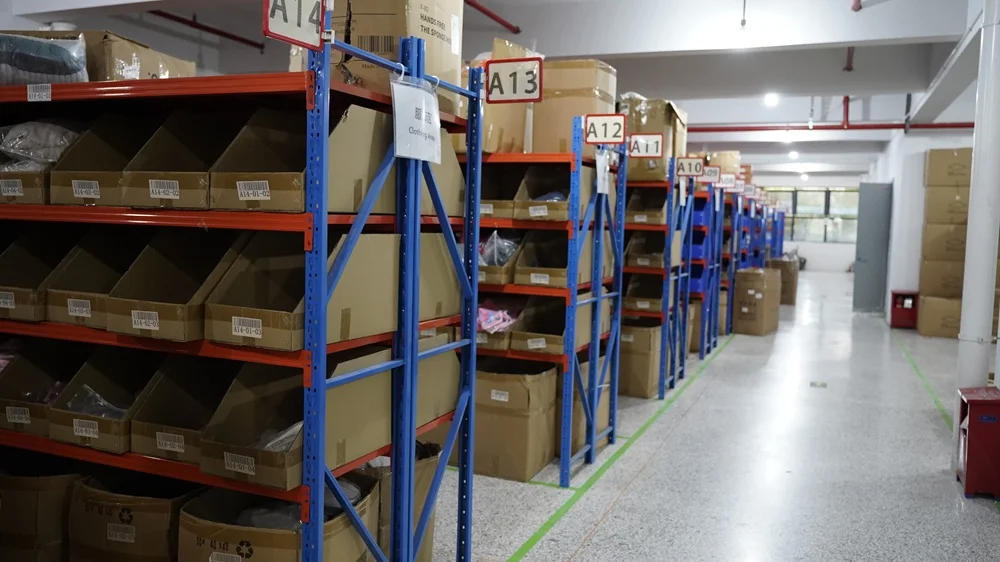
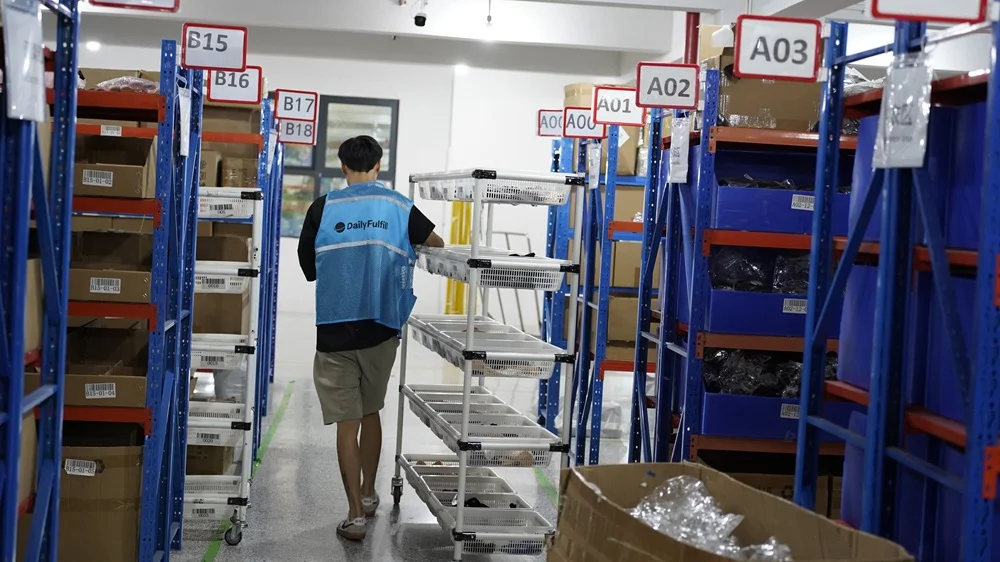
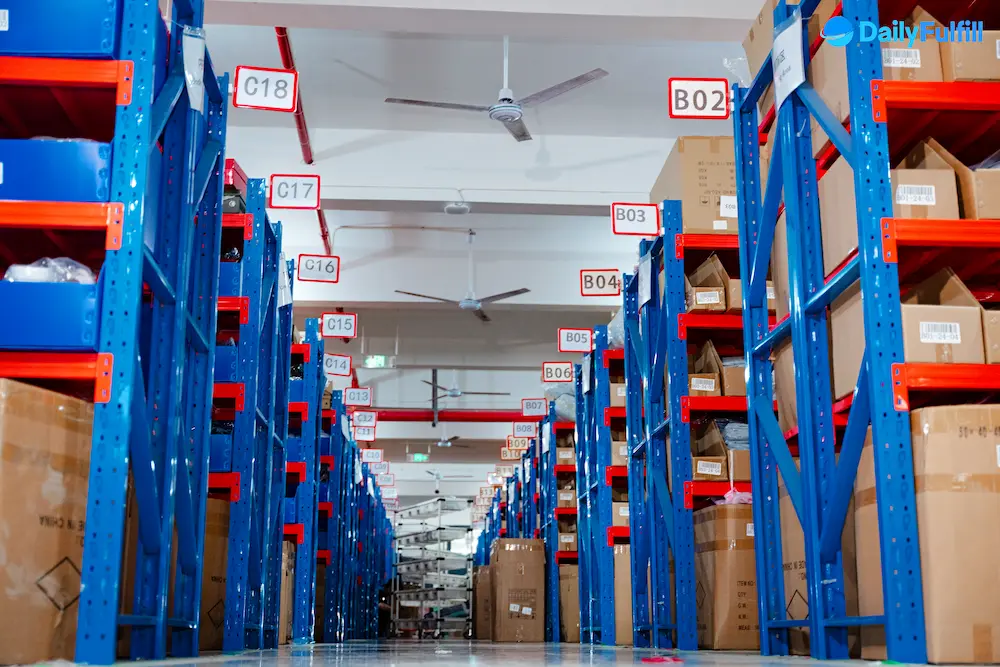
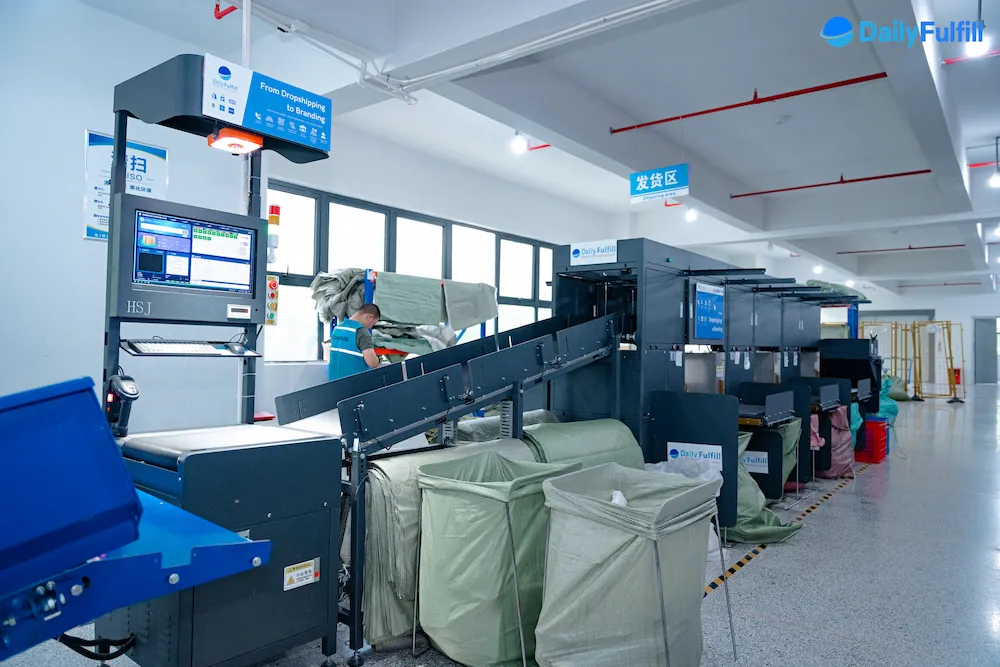
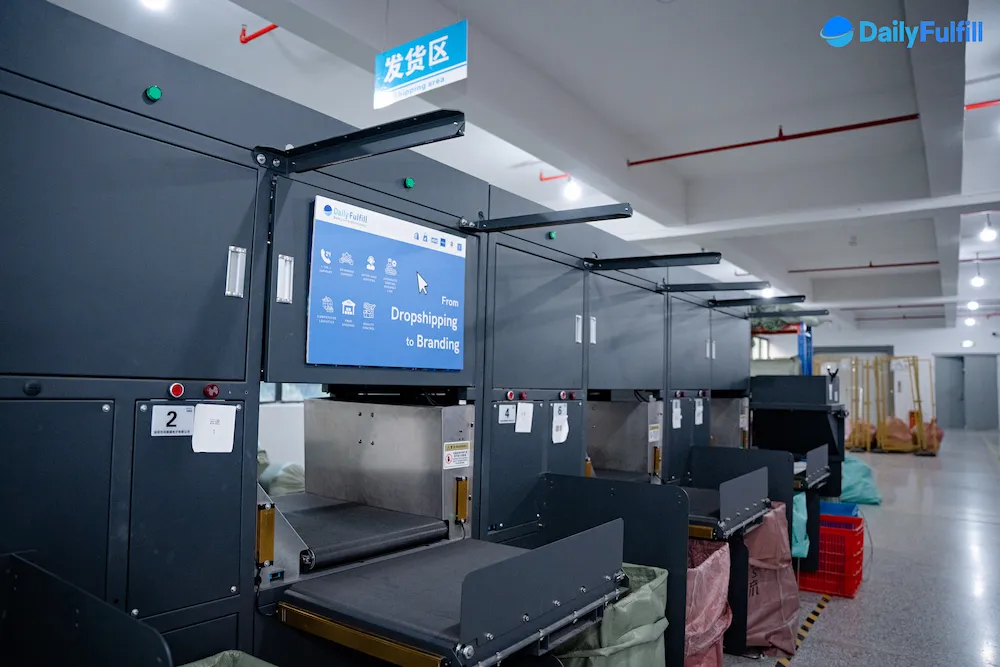
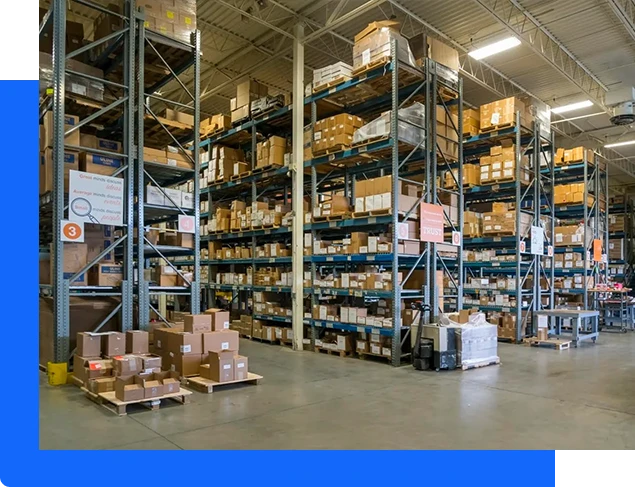
Our fulfillment team operates in China with 8,400 m² of warehouse space and ships 20,000+ orders every day.

Want to see how we'd handle your orders? Plan your WooCommerce fulfillment →
Many of our sellers run stores on multiple platforms at once. One account with us covers them all — same warehouse, same dispatch speed, same quality team.
FBA-prep and FBM workflows scoped to the selected program, labeling, routing, and inbound requirements.
Learn moreConnected order import and post-dispatch tracking sync, with packing rules defined in the operating plan.
Learn moreOrder processing and tracking workflows aligned with the handling time configured for the seller’s listings.
Learn moreCareful order verification and branded packing for products that need a more considered unboxing experience.
Learn moreA fulfillment workflow for fast-changing order volume, stock allocation, and platform tracking requirements.
Learn moreConnected order import and tracking updates for approved WooCommerce workflows.
Learn moreSelling on more than one platform? One account handles them all.
Get a Multi-Platform Quote
For the standard DailyFulfill workflow, no DailyFulfill WordPress plugin is required. Connect the store through the WooCommerce authorization process, then confirm the required permissions, store configuration, products, variations, SKUs, inventory source, and operating rules. Orders begin only after the connection, mapping, and scope are approved.
Multi-currency stores can be supported when the relevant order fields are available and mapped correctly. During onboarding, confirm the currency and payment fields, tax and shipping data, product and variation references, and the behavior of any multi-currency or multilingual plugin. Store-specific or unsupported data may require testing or manual review.
Pre-stocked, order-ready inventory confirmed before the agreed cut-off can usually be processed the same business day. Preparation time is separate from transit time. Estimated transit after dispatch is 6–12 days to the US and 3–8 days to Europe, depending on the destination, product, parcel data, customs, carrier route, and external conditions.
Both models may be possible, but they have different timing. Without pre-stocked inventory, supplier purchasing, supplier dispatch, warehouse receiving, discrepancy handling, and preparation happen before international transit begins. Pre-stocking suitable, stable products can reduce preparation uncertainty. The stock level, replenishment plan, and storage scope should be confirmed for the project.
The standard connection uses the WooCommerce authorization and API workflow rather than adding a DailyFulfill plugin to the site. Confirm the permissions and fields required for the agreed scope, and test any custom checkout, subscription, bundle, multi-currency, or other plugin-specific data. Access can be revoked, but open orders, tracking, inventory, and responsibility boundaries should be reconciled before disconnecting.
Approved orders can use blank packaging or agreed custom materials such as boxes, mailer bags, cards, inserts, stickers, and labels. The exact packing rule, MOQ, production cost, lead time, and storage eligibility depend on the packaging project. Packaging must be available and mapped to the correct product or order before dispatch.
First confirm the tracking event, carrier evidence, parcel condition, order record, and where the loss or damage occurred. Replacement, reshipment, refund, credit, a carrier claim, or another solution is determined by the evidence, confirmed cause, responsibility boundary, and agreed policy. There is no blanket automatic “100% compensation” promise.
Find out some useful tips and use them in your own selling business on WooCommerce Dropshipping

Want to build a WooCommerce dropshipping store in 2026? Learn how to avoid heavy plugins, stop downloading CSV files, and use clean boxes to grow fast.
The 10 best dropshipping suppliers in 2026, ranked by which stage and model each one actually fits — CJ, Zendrop, Spocket, Printful, agents & more, with the honest trade-offs.
Is your tracking number not working? Are your customers angry? Learn the secret of “two tracking numbers” and the best way to track dropshipping orders from China.