FBA shipment plan
The seller provides the marketplace, approved ASIN and SKU data, barcode setting, product-specific prep, compliance status, unit and carton labels, dimensions and weight, box content, destination, and the current shipment plan.
Build an FBA prep or seller-fulfilled workflow around the marketplace, program, approved product data, current Seller Central instructions, inventory, packaging, shipping, tracking, returns, and exception rules. DailyFulfill executes the documented workflow; Amazon controls listing, receiving, metric, and account decisions.
FBA Prep • Seller-Fulfilled Orders • Defined Operating Scope
FBA preparation and seller-fulfilled order execution are different operating models. DailyFulfill supports both, but the marketplace, program, product eligibility, shipment or delivery settings, and current Seller Central instructions must be confirmed before work begins.
You send inventory to Amazon under an approved shipment plan. Amazon then performs the FBA storage and customer-order workflow under its current program terms.
Execute the approved pre-Amazon scope: sourcing if requested, receiving checks, agreed inspection, unit prep, the barcode and labels supplied for the shipment, carton packing, and freight handoff. Amazon retains control of listing approval, receiving, and account decisions.
The seller remains responsible for the Amazon offer and customer promise while DailyFulfill can store approved stock and execute eligible customer orders from China.
Store approved inventory, perform the agreed order-level checks, pack, dispatch, and return available tracking or fulfillment updates. The seller remains the seller of record and monitors Seller Central policies, promises, and account health.
Some sellers allocate selected products to FBA and keep other offers seller-fulfilled. The allocation should follow demand, margin, inventory risk, Amazon program requirements, delivery expectations, and available working capital—not a universal best-practice headline.
Before moving volume, confirm which SKUs and quantities belong to each route, how inventory is reconciled, who creates the FBA shipment plan, how seller-fulfilled orders enter the warehouse workflow, and who owns open orders, returns, claims, or other unresolved issues.
The seller and each shipment or order are evaluated under the current rules for the marketplace, program, product, offer, and account. DailyFulfill can prepare and dispatch work under a documented scope, but it cannot approve a listing or shipment plan, control Amazon receiving or carrier scans, or guarantee Buy Box, metric, or account outcomes.
The seller provides the marketplace, approved ASIN and SKU data, barcode setting, product-specific prep, compliance status, unit and carton labels, dimensions and weight, box content, destination, and the current shipment plan.
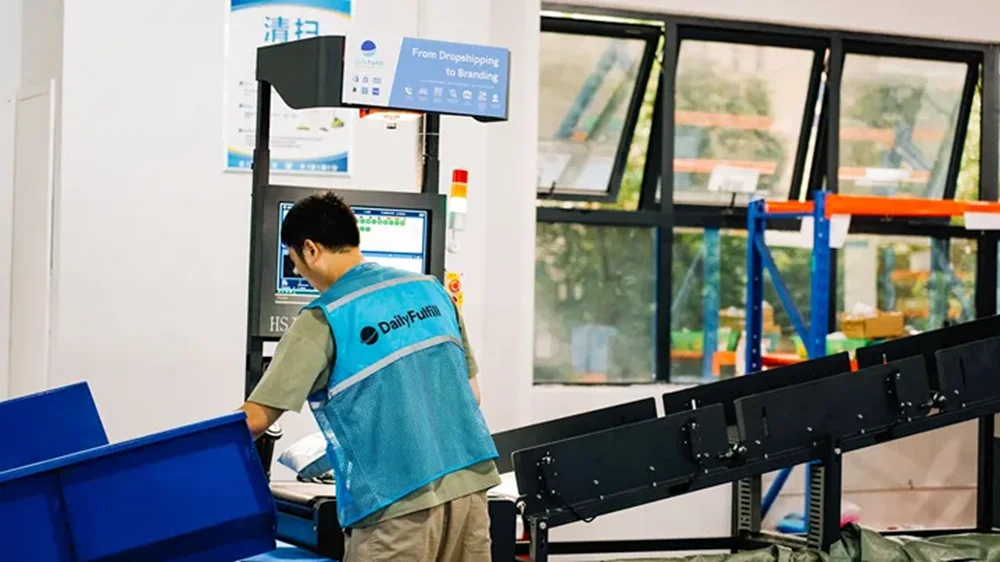
The seller confirms ship-from and delivery settings, handling time, product eligibility, packaging identity, returns, cancellations, and address rules. DailyFulfill processes only orders that meet the agreed inventory, cut-off, capacity, and data conditions.
Tracking validity, qualifying scans, late shipment evaluation, ODR, Buy Box eligibility, FBA receiving, reimbursements, and account actions depend on Amazon, carriers, customer events, and seller-controlled settings. Monitor the current Seller Central view.
Marketplace and program, account and offer, product eligibility, ASIN and SKU mapping, barcode type, prep and compliance requirements, shipment plan or handling promise, inventory, packaging, cut-off, capacity, route, tracking events, returns, and exception ownership.
Amazon rejects bad shipments. Wrong FNSKU labels, broken items, missing certificates, or oversized master cartons all trigger fees, delays, or worse. Here is exactly what we handle before your bulk inventory leaves our warehouse for Amazon.
Every unit Amazon receives needs a correct FNSKU label — and a wrong label means your inventory gets lost in Amazon's warehouse. We are familiar with Amazon's labeling and barcode requirements, and we offer FNSKU labeling as a standard service.
For most bulk orders, the most efficient approach is to send us your FNSKU codes first, and we forward them to the factory to apply during production. When the labeled goods arrive at our warehouse, we double-check the labels before shipping to Amazon. This saves you labeling fees and catches errors earlier in the process.
Amazon FBA does not accept defective inventory — and sending bad stock into Amazon's warehouse will destroy your account health, pile up return fees, and get your listings suppressed. Every batch we prep goes through the same 5-step inspection we use for all orders.
Amazon requires different compliance certificates depending on the product category — CE for electronics sold in the EU, CPSC for children's products, FDA for certain consumables, and so on. We understand these requirements and help you work with them.
For most orders, we use certificates that the factory already has — this is the fastest and cheapest path. If your product needs a certificate the factory does not have, and you are ordering at high volume, we can help arrange the additional certification. For low-volume orders where the certificate cost would exceed the margin, we will tell you upfront rather than sell you a service that does not make financial sense.
Once your inventory is inspected and labeled, we pack it into master cartons and arrange freight shipment to your designated Amazon fulfillment center — in the US, EU, UK, or other markets Amazon supports. Your inventory arrives at Amazon ready to go live, without the delays and errors that come from amateur prep.
Amazon requirements can differ by marketplace, program, product, barcode setting, preparation category, and shipment plan. The current instructions shown in the seller's Seller Central workflow are the final operating reference. DailyFulfill applies the approved preparation scope before inventory leaves China.
Amazon inventory may use a manufacturer barcode, an Amazon barcode, or another program-specific identifier such as Transparency. Not every unit universally requires an FNSKU. The seller supplies the approved label files and SKU mapping; DailyFulfill applies and verifies the agreed labels without inventing or changing the Seller Central setting.
For a production run, labels may be applied by the factory or by the DailyFulfill warehouse. Confirm the approved file, product-to-label mapping, placement, quantity, sample approval, verification method, rework rule, and cost before labeling begins.
Standard warehouse receiving confirms what arrived and records visible discrepancies. Batch sampling, full inspection, and product-specific functional or compliance tests are separate scopes that should be approved before the supplier ships or production begins.
The seller confirms the current compliance request shown for the exact product and marketplace. Factory documents are useful only when they are current, match the product, and are accepted by Amazon. DailyFulfill can gather supplier information or coordinate an approved testing path when included in the project, but cannot guarantee listing or document approval.
Review product eligibility, the exact document or testing request, the accepted provider or laboratory path, product and packaging markings, sample details, lead time, cost, and who submits the evidence. Do not rely on a generic factory certificate without checking that it matches the current Amazon request.
Use the current Send to Amazon workflow or other Seller Central plan to confirm box content, unit and carton labels, dimensions, weight, destination, and shipping method. DailyFulfill can pack and hand off the approved freight. Carrier delivery, appointment, check-in, receiving, discrepancies, and Amazon processing remain separate events.
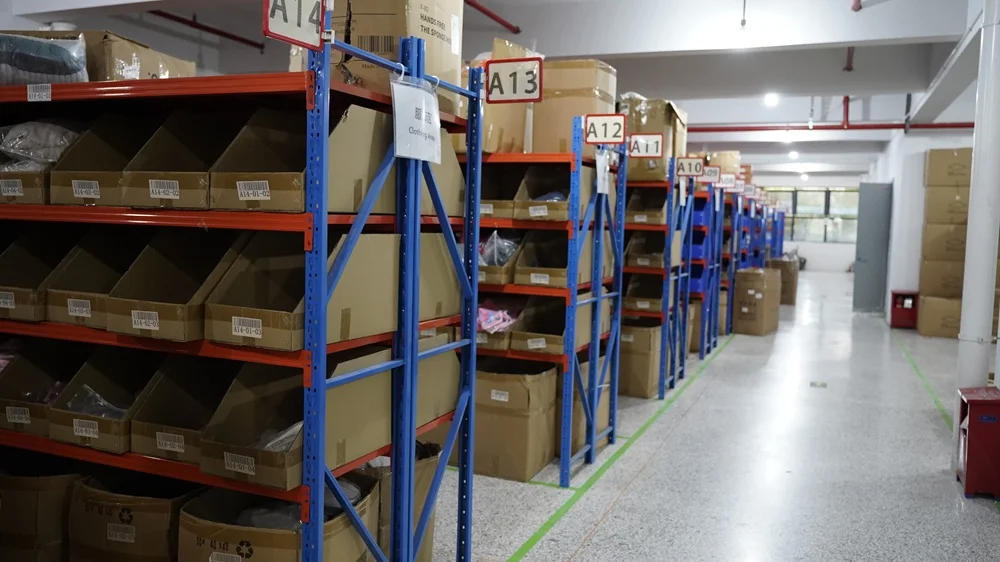
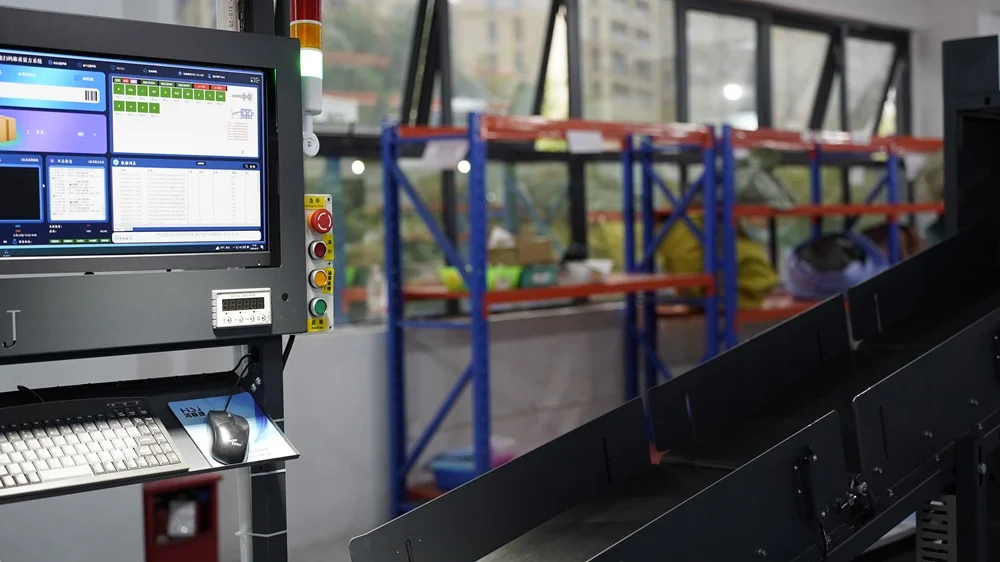
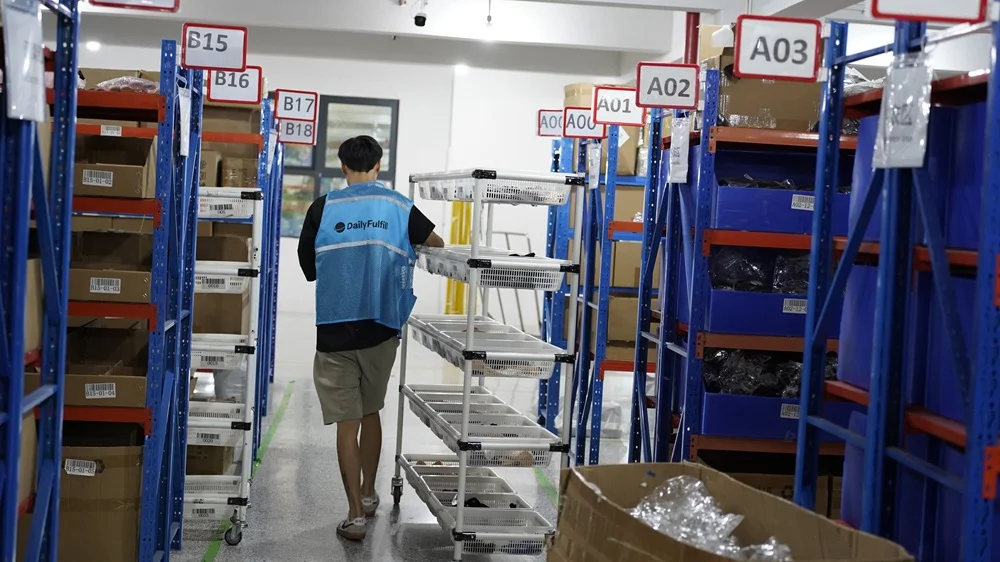
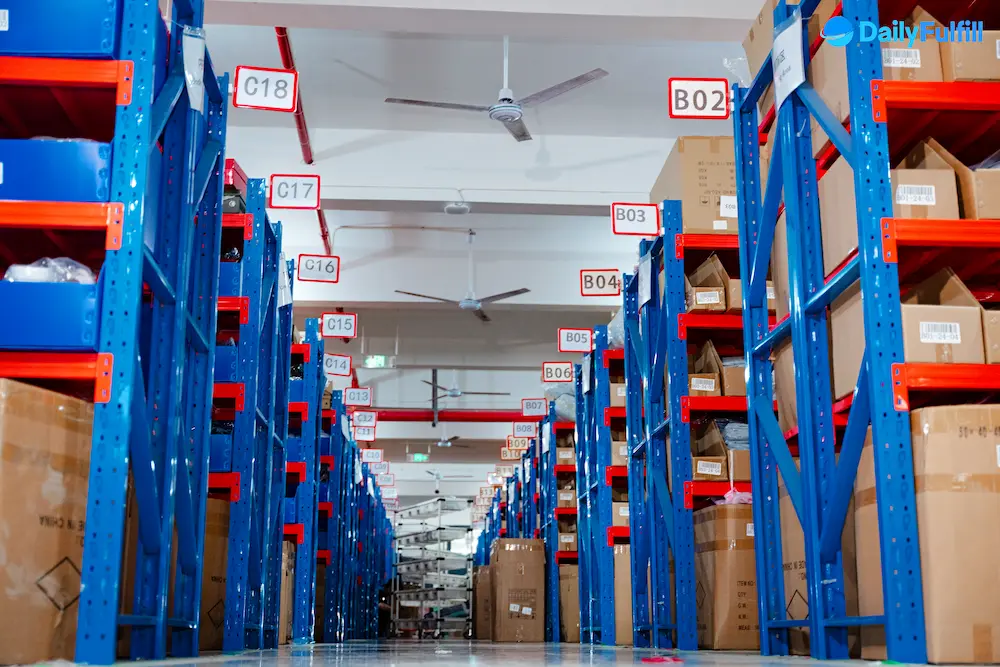
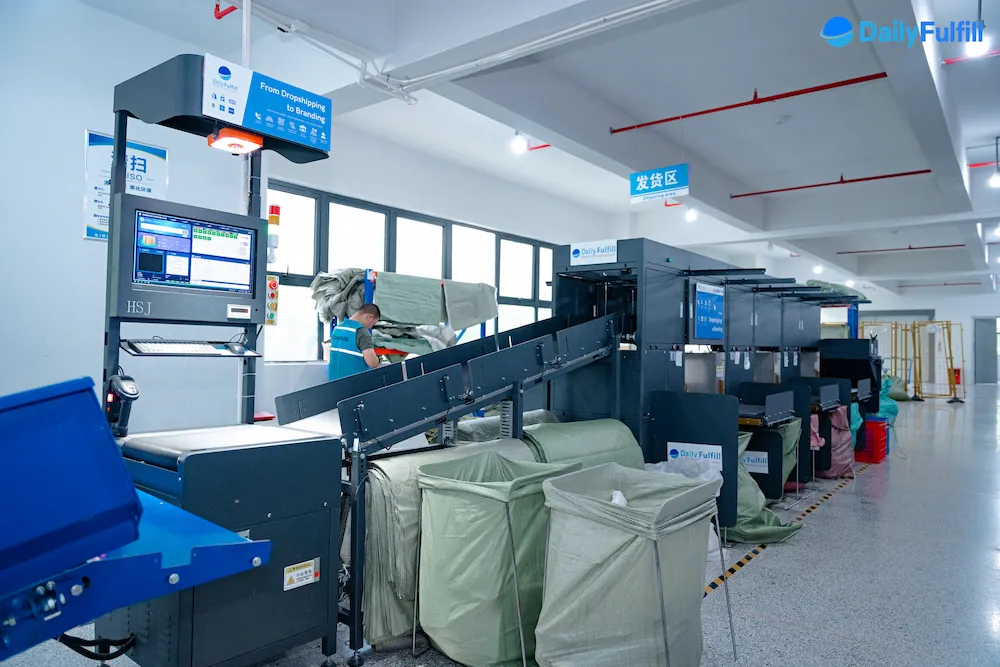
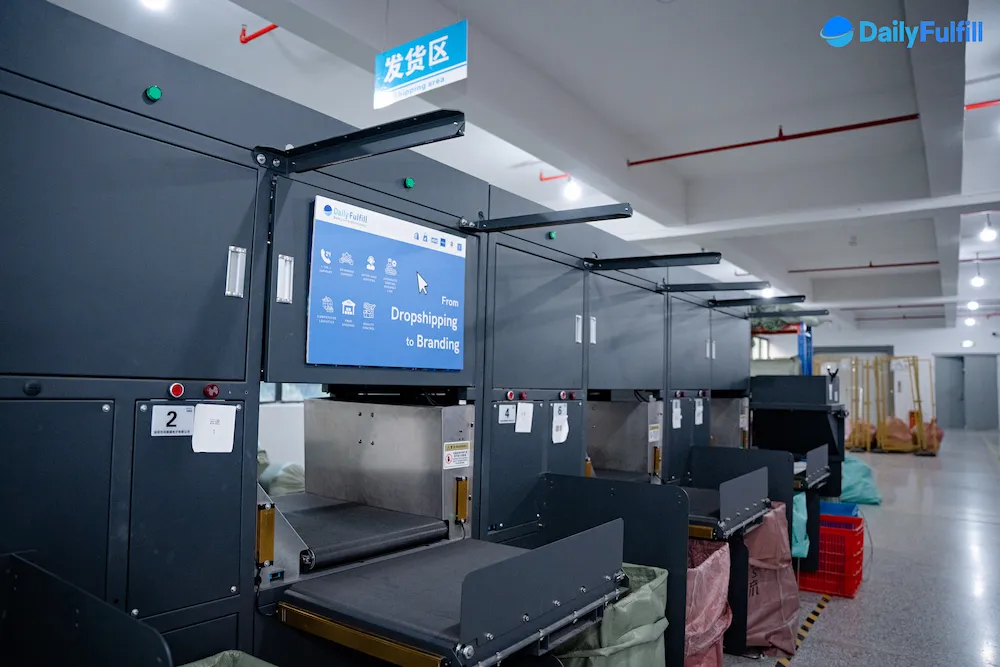
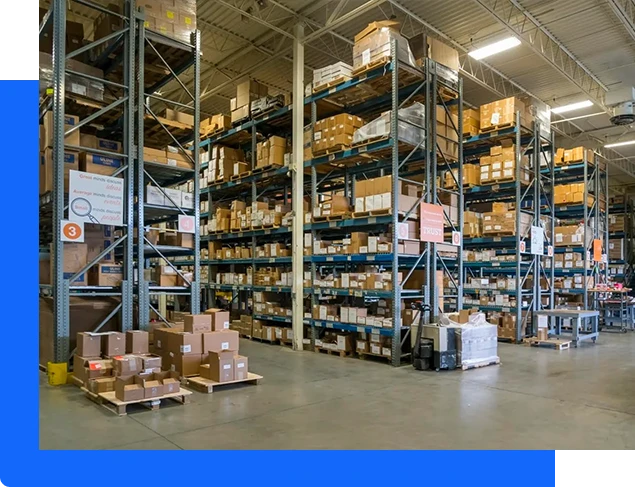
These are our own fulfillment centers in Yiwu and Shenzhen. Across 8,400 m² of warehouse space, our team processes 20,000+ orders per day across the agreed sourcing, receiving, storage, packing, and shipping workflows.

Want to see how we'd handle your orders? Get a free sourcing quote →
Many sellers operate more than one storefront. One DailyFulfill account can coordinate approved stores while each platform keeps its own permissions, mapping, fulfillment rules, and exception process.
FBA-prep and seller-fulfilled workflows scoped to the selected marketplace, program, shipment plan, labeling, routing, and account settings.
Learn moreConnected order import and post-dispatch tracking sync, with packing rules defined in the operating plan.
Learn moreOrder processing and tracking workflows aligned with the handling time configured for the seller's listings.
Learn moreCareful order verification and branded packing for products that need a more considered unboxing experience.
Learn moreA fulfillment workflow for fast-changing order volume, stock allocation, and platform tracking requirements.
Learn moreConnected order import and tracking updates for approved WooCommerce workflows.
Learn moreSelling on more than one platform? Confirm each store and workflow under one DailyFulfill account.
Get a Multi-Platform Quote
Yes. For FBA, DailyFulfill can perform the approved pre-Amazon scope—such as sourcing when requested, receiving checks, agreed inspection, product preparation, labels supplied for the shipment, carton packing, and freight handoff.
For seller-fulfilled orders, DailyFulfill can store approved inventory and process eligible customer orders under an agreed handling, packing, shipping, tracking, returns, and exception workflow.
The two scopes should be confirmed separately.
Provide the target marketplace and program, approved ASIN and SKU data, product-to-label mapping, the barcode type shown in Seller Central, product-specific prep instructions, compliance status, unit and carton label files, quantities, carton content, dimensions and weight, destination, shipping method, and the current shipment plan.
DailyFulfill should not invent or replace the seller’s Seller Central instructions.
No. Amazon may use a manufacturer barcode, an Amazon barcode such as an FNSKU, or another program-specific identifier such as Transparency, depending on the product, program, and account setting.
The current Seller Central workflow is the final reference. DailyFulfill can apply and verify the approved label type after the seller supplies the correct file and SKU mapping.
The seller remains responsible for product eligibility and for meeting the current Amazon request for the exact marketplace and product.
DailyFulfill can gather supplier documents or coordinate an approved testing or verification path when included in the project. Factory documents are useful only when they are current, match the exact product, and are accepted by Amazon.
DailyFulfill cannot guarantee listing, document, or account approval.
Pre-stocked, order-ready inventory confirmed before the agreed cut-off can usually be processed the same business day.
Personalization, production, missing stock or packaging, address or cancellation issues, restricted products, rejected data, volume above agreed capacity, or other holds add preparation time.
Processing is separate from carrier transit. Estimated transit after dispatch is 6–12 days to the US and 3–8 days to Europe, depending on destination, parcel data, product attributes, customs, route, carrier events, and external conditions.
No. DailyFulfill can support accurate order execution, timely processing of eligible orders, correct shipment data, order-level checks, and evidence-based exception handling.
Amazon metrics also depend on the seller’s settings and actions, customer feedback and claims, carrier validation and scans, delivery performance, and Amazon’s current policies and decisions.
The seller should monitor Seller Central and treat its current account-health view as the final reference.
MOQ depends on the product, supplier, customization, and packaging process. Stock standard items may start from one piece, common custom-logo projects are often around 200–500 pieces, and molds or special processes may require 1,000+ pieces. The confirmed supplier quote is final.
Receiving checks and standard order-level verification are defined in the workflow, while batch sampling, full inspection, and product-specific tests are separate scopes.
Standard storage for active clients is free within the agreed scope. Oversized, inactive, transfer-out, disposal, or other exceptional arrangements are confirmed separately.
Packaging must follow the approved FBA prep or seller-fulfilled identity rules for the actual workflow.
First, we review the order record, SKU and packing instructions, shipment or tracking events, parcel condition, customer evidence, and available carrier or warehouse records.
Returned items are inspected before any decision is made to place them back into sellable inventory.
Reshipment, refund, credit, a carrier claim, supplier action, or another solution depends on the confirmed cause, responsibility boundary, and agreed policy. There is no blanket automatic “100% compensation” promise.
Learn dropshipping tips, sourcing strategies and fulfillment insights from DailyFulfill

In this article, DailyFulfill will walk you through everything you need to know about Amazon dropshipping and help you scale your Amazon dropshipping business.
Competing with Amazon seems impossible, right? Wrong. In 2026, small brands are stealing customers from Amazon by doing what Amazon cannot do: Building a Connection.
The 10 best dropshipping suppliers in 2026, ranked by which stage and model each one actually fits — CJ, Zendrop, Spocket, Printful, agents & more, with the honest trade-offs.