
 English
 Français
 Deutsch
 Nederlands
 Polski
 Español
Toys & enrichment
Specify materials, stitching or joins, detachable parts, and the expected presentation of each variant.
Already selling a pet product—or testing one with a clear brief? Bring us the item, target market, and supplier setup. We can compare sourcing options, agree the product-specific checks, plan stock and packaging, and organize fulfillment without forcing an immediate supplier change.
Best fit: active sellers, tested products, or brands with a defined launch plan.

Two products can look similar online and still differ in materials, construction, size, included parts, or packing. Begin with the item you actually intend to sell and a reference your team can approve.
Confirm style, variants, materials, dimensions, components, and intended destination.
Record what you accepted and what would trigger a recheck on later batches.
Discuss stock, lead time, packaging, and how a new supplier would be introduced.

The same buying or inspection plan should not be applied to a fabric toy, a walking accessory, a feeder, and an electronic device. Each needs a separate product brief and feasibility check.
Specify materials, stitching or joins, detachable parts, and the expected presentation of each variant.
Confirm sizes, fasteners, strap construction, included hardware, and packing dimensions against the approved sample.
Clarify materials, contact surfaces where relevant, finishing, accessories, and destination-market documentation.
Agree the functional sample, power or battery details, documentation, and viable shipping route before quoting.
These are review points, not a claim that every item or destination is automatically eligible. Food, supplements, liquids, powders, and battery-powered products require separate confirmation.


Your current factory, packaging, and stock are part of the decision. We first establish what is working, what is causing returns or delays, and which changes are worth testing. If a new route is needed, price is only one comparison point.
Discuss Your Current Setup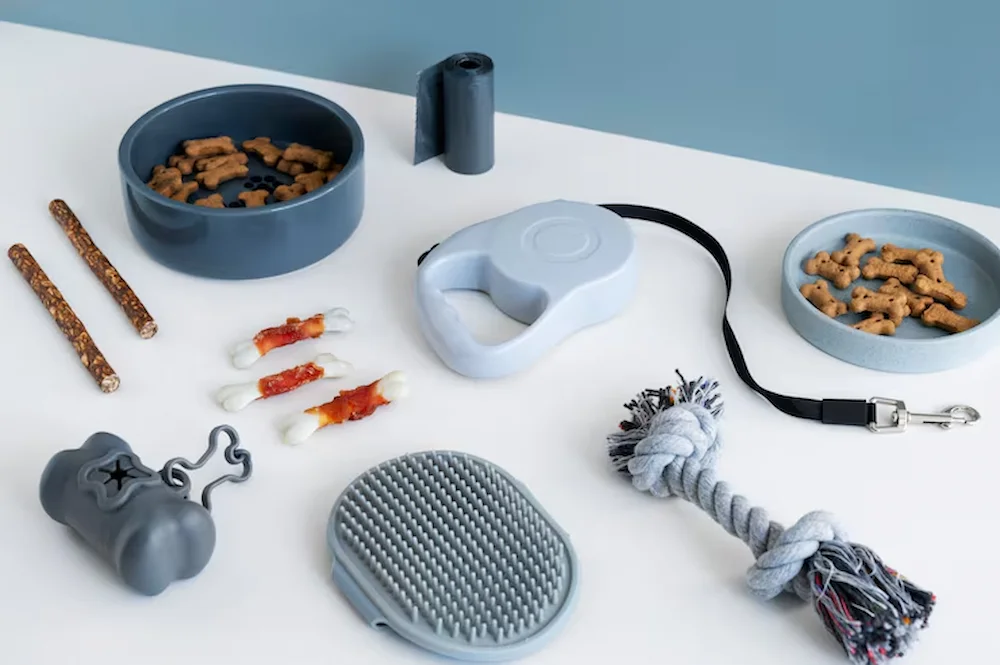
Check available stock, minimum quantities, repeatability, sample quality, lead time, and supplier responsiveness.
Use the agreed sample, SKU information, and packaging brief to make later discrepancies easier to spot.
Separate old stock and open orders from new purchasing, then trial the new route before moving volume.

If a SKU is not in stock, procurement and inbound handling happen before international transit begins. For a live seller, we map current inventory, open orders, packaging, and SKU variants first. A test order and tracking handoff can then confirm the workflow before volume moves.
What is already in your supplier’s or current agent’s warehouse?
Which orders belong to the old setup, and when does the new handoff begin?
When should replenishment be triggered for a stable SKU?
A walking set or starter kit needs its own SKU, component list, stock plan, packing reference, and delivered-cost check.
Bundling may improve presentation, but it does not automatically lower shipping cost or increase order value.
The reviews below describe service and communication. They are not presented as pet-supplies case studies.

A clothing-shop customer describes clear communication and responsive order coordination with their contact, Iris.
 Mick Boumans
Review summary · clothing shop
A European e-commerce customer describes support during growth and help working through difficult supplier situations.
 Sami
Review summary · e-commerce
For the full review wording and current rating, visit the independent review page.
Read Reviews on Trustpilot