
 English
 Français
 Deutsch
 Nederlands
 Polski
 Español
Garment measurement points
Define bust, waist, hip, rise, inseam, length, sleeve or other critical points and keep one repeatable measurement method.
Bring a live SKU, an existing supplier, a reference sample or your own design. We coordinate size-chart review, garment measurement points, sample approval, agreed tolerances, risk-based receiving checks, labeling, unit packing, inventory and global fulfillment.
Best fit: sellers with validated styles, active apparel SKUs or plans to test before scaling.


Two products labeled 3XL can use different garment measurements, pattern proportions, grade rules, fabric behavior and construction. The approved record must define what the customer will actually receive.
Define bust, waist, hip, rise, inseam, length, sleeve or other critical points and keep one repeatable measurement method.
Separate actual garment measurements from intended body-size guidance and approve the chart used on the storefront.
Review how key dimensions change from one size to the next instead of assuming every pattern was enlarged proportionally.
Stretch, recovery, lining, seam placement, closures and drape can change the wearing experience even when measurements look similar.
The goal is not to promise one universal fit. It is to record the product attributes that matter so sourcing, bulk receiving and reorders use the same approved reference.
Record the intended market, approved sample, storefront chart and the exact size-label mapping.
Define the points that matter for the garment type rather than applying one generic checklist to every style.
Specify laid-flat or other agreed conditions, garment position, stretch state and how each point is taken.
Approve acceptable measurement variance and how dimensions change across sizes before bulk production or reorder.
Keep fabric, lining, seams, closures, labels, included items, folding and unit packaging connected to the SKU.
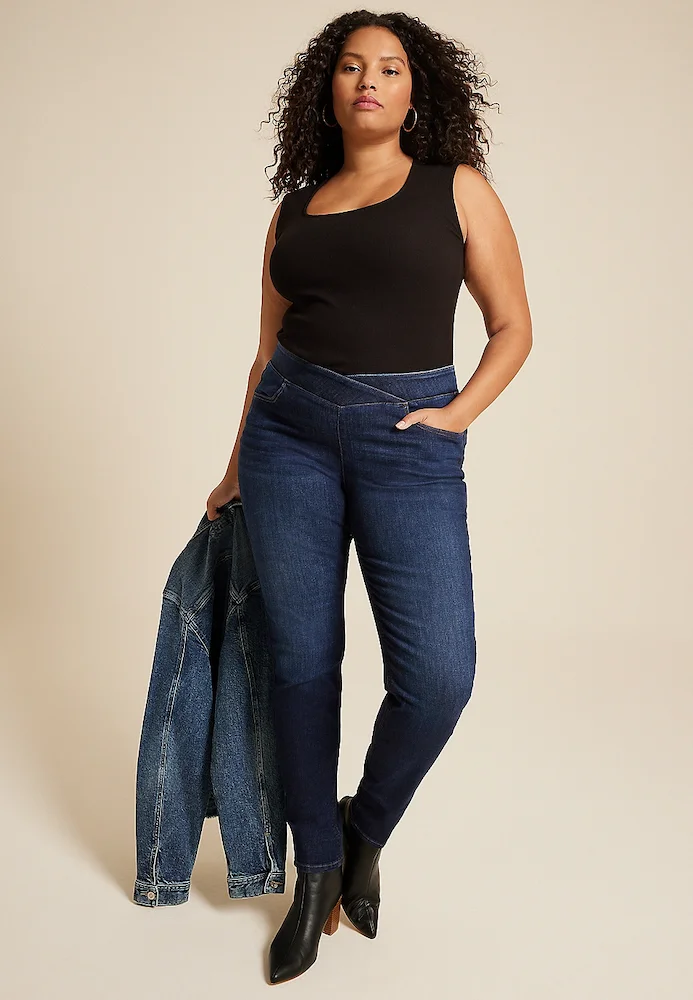

“Measure every garment” is not a useful default unless the checkpoints, sampling rate, method, tolerance and acceptance criteria are defined. The scope should follow the SKU, batch risk and order history.
The exact rate and measurement sample are agreed by product and risk. Higher-rate or 100% inspection can be arranged when requested, after recurring issues or for the first bulk arrival of a higher-risk custom SKU.

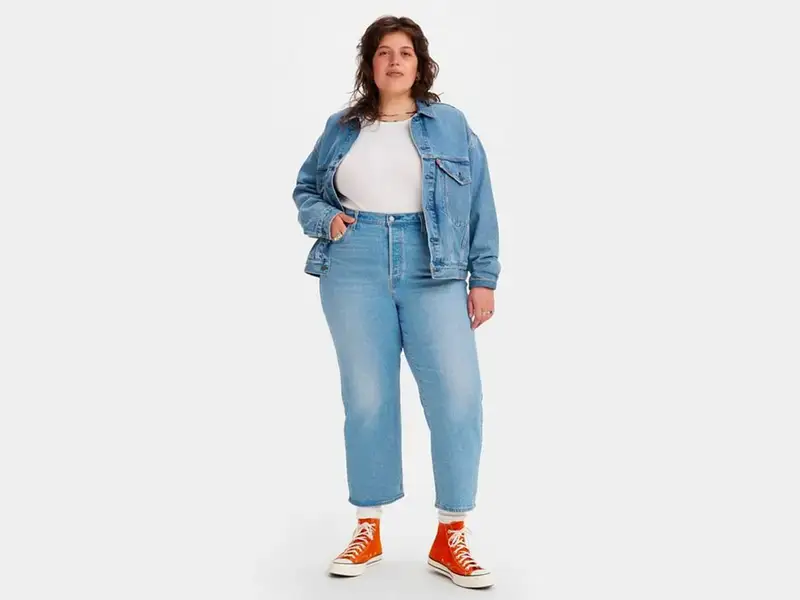
Dresses, denim, activewear and structured garments create different return risks. The sample and specification should follow the actual construction and customer use case.
Review closure, lining, sleeve opening, drape and the proportions that affect movement and coverage.
Record stretch state, recovery, leg opening, pocket placement and the construction that affects sitting and movement.
Approve performance language only for the individual SKU and agreed test method—not for the whole category.
Confirm the critical dimensions and construction for jackets, outerwear, supportive garments and layered outfits.
Product branding, size information, care details and presentation materials can use different suppliers, minimums and lead times. The packout record keeps the right components connected to every variant.
Connect the customer-facing size to the approved product record and supplier or factory code.
Confirm the applicable content, language, format and market responsibilities before printing or application.
Approve method, position, dimensions, color and the finished visual result for the specific garment.
Record fold method, individual bag or alternative unit pack, label position and presentation standard.
Coordinate each component after format, dimensions, material, minimum and production timing are confirmed.
For current ratings and customer wording, use the live Trustpilot profile rather than a hard-coded score that can become outdated.
 Read verified reviews ↗
How supplier questions, shortages, size discrepancies, delays and fulfillment exceptions are explained.
How approved samples, measurement records, branded materials and recurring variants stay connected.
How nonconforming measurements, wrong variants, batch issues and shipping exceptions are investigated and escalated.