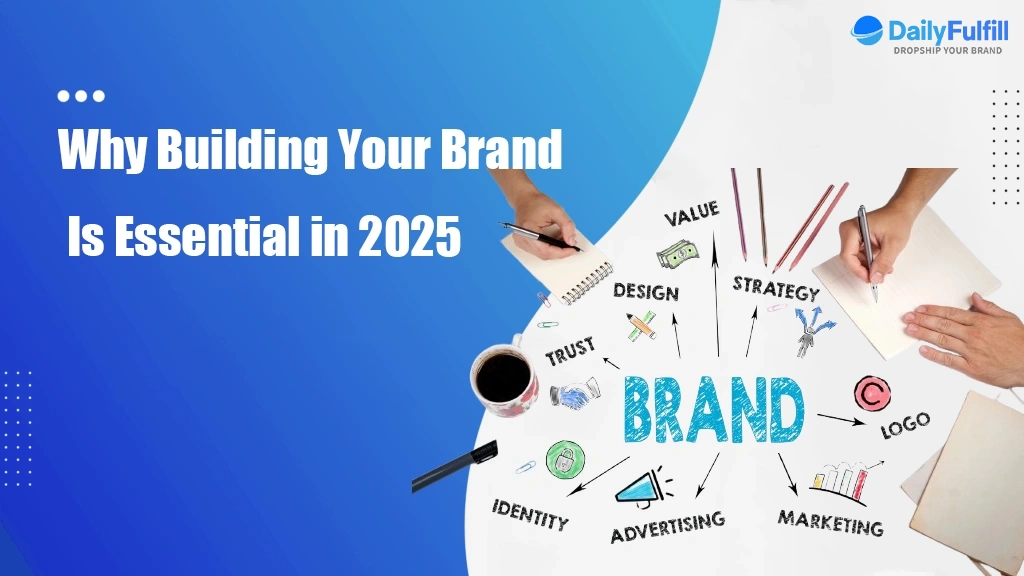
So you’ve decided to stop selling generic products and turn your store into a real brand. Good — this is the page that shows you how to actually do it. Not the theory, not the pep talk: the concrete steps, in the order you should do them, with the judgment calls that decide whether branding pays off or just adds cost.
A quick scope check so you’re in the right place. This is a how-to — it assumes you’ve already made the decision. If you haven’t, two quick detours first: if you’re still not sure what branded dropshipping even means, read what branded dropshipping is; if you’re not convinced it’s worth it, here’s why branding matters in 2026; and if you’re weighing whether it’s the right move for your stage at all, see regular vs branded dropshipping. Settled and ready to build? Then keep reading.
One thing worth setting straight up front, because it changes the order you do things in: branding is not the first step of a new store. The sequence that works is validate a product first, then brand the winner — putting custom packaging around something unproven is how people waste money. So this guide assumes you either have a product that’s selling, or you’re about to test one with branding as the planned next move. With that in mind, here’s the build, step by step.
(We’re DailyFulfill, a fulfillment agent — the later steps are things we do for clients, so treat our advice as informed but interested, and check it against your own situation.)
Key Takeaways
- Brand the winner, not the test. Validate a product with generic dropshipping first, then add branding to the one that’s already selling — branding something unproven just burns money.
- Your product choice decides how brandable you are. Items with a logo-friendly surface, a perceivable quality difference, and repeat-purchase potential brand well; ultra-cheap, disposable commodities don’t.
- The supplier is the make-or-break step. A standard marketplace seller won’t brand for you. You need an agent who can private-label, hit low minimums, sample, and run quality control — and you screen for that with specific questions.
- Keep the visual identity simple and consistent. A clean logo, two fixed colors, and the same look across store, packaging, and product does more than anything elaborate. Consistency reads as “real company.”
- Branding is an experience, not one object. It’s the product, the packaging, the unboxing, and a clean store working together — a logo alone on a slow, generic-looking store doesn’t build trust.
Step 1: Pick a Product That's Actually Worth Branding
Branding starts before any packaging — with choosing a product that rewards being branded. Some products turn into a brand beautifully; others fight you the whole way, and no amount of nice packaging fixes a bad pick. Two filters decide it.
First, is it brandable? Not every product gives branding something to work with. Look for three traits:
- A surface or format that carries a logo. Apparel takes a neck label, bottles and jars take a printed wrap, gadgets sit in a box you can brand. A tiny loose accessory with no packaging gives you almost nowhere to put your identity. The easier it is to put your mark on or around the product, the more brandable it is.
- A perceivable quality difference. Branding sells “this is the good version.” That only works if the customer can feel a difference — material, finish, how it performs. If the item is so basic that every version is identical, there’s little quality story to attach a brand to.
- Repeat-purchase or referral potential. The entire payoff of branding is the second order. Products people reorder, refill, gift, or show off (skincare, supplements, pet items, fitness, home goods) compound brand value. A pure one-time novelty earns you a logo and not much else.
Second, do the margins leave room to brand? Branding adds a small cost per order and usually justifies a higher price — but the product has to start with enough margin to absorb that and still profit. Very cheap, throwaway items where buyers only care about lowest price are poor candidates: there’s no headroom for packaging and no premium to capture. Mid-to-higher-value products where buyers care about quality are where branding pays.
A practical way to choose: brand the product you’ve already validated. If something is selling steadily on your store, that’s your branding candidate — you know there’s demand, so you’re investing in a proven winner instead of guessing. (Whether a product is “proven enough” to commit to is the timing question covered in regular vs branded dropshipping — here, just start from a product that already sells.)
Step 2: Find a Supplier Who Can Actually Brand (This Is the Make-or-Break Step)
This is where most branded stores are won or lost. A standard marketplace seller — the kind you’d find dropshipping from a public catalog — generally won’t put your logo on a product or pack it in custom boxes. They’re built for volume across thousands of sellers, not for branding your specific orders. To brand, you need a private dropshipping agent or fulfillment partner: someone who sources from the factory, applies your branding, runs quality control, and ships under your name.
The hard part isn’t finding one — it’s filtering for one that can actually do branded fulfillment at your scale without disappearing. Screen every candidate against this checklist:
- Can they private-label, not just dropship? Putting your logo on the product (printed, engraved, woven label) is different from just shipping it. Confirm they do the level you need — packaging-only, or product branding too.
- What are the real minimums? Factories often demand 1,000+ units for custom work. A good agent holds low minimums (often around 100 for cards/stickers, a few hundred for boxes) and stores the stock for you. Ask for the actual MOQ per item type, not a vague “low.”
- Will they sample before you commit? You should be able to order a sample of the branded product and packaging before you fund a full run. An agent who won’t sample is a red flag.
- Do they do per-order quality control? Branding multiplies the cost of a defect — your logo is now on the bad unit. Ask what they check, whether you get pre-ship photos, and what happens when something fails inspection.
- What shipping lines and times do they actually use? Fast, trackable delivery is part of the brand experience. Ask which carriers, realistic delivery windows to your main markets, and whether tracking syncs back to your store.
- Is the communication real and responsive? You’ll be coordinating designs, samples, and issues constantly. A dedicated contact who replies quickly is worth more than a slightly lower price from someone who goes quiet for days.
The five questions worth asking on the very first contact, to filter fast: Can you private-label this product? What’s the minimum order for branded packaging? Can you send a sample first? Do you inspect every order and share photos? What are your shipping times to my main market? Clear, specific answers signal a real operation; vague or evasive ones tell you to keep looking.
One caution as you choose: the cheapest quote is rarely the right one for branding. A partner who’s slightly more expensive but reliable, communicative, and consistent protects the brand you’re paying to build — and a botched branded order does more damage than a generic one, because it’s your name on it.
Step 3: Build a Simple, Consistent Visual Identity
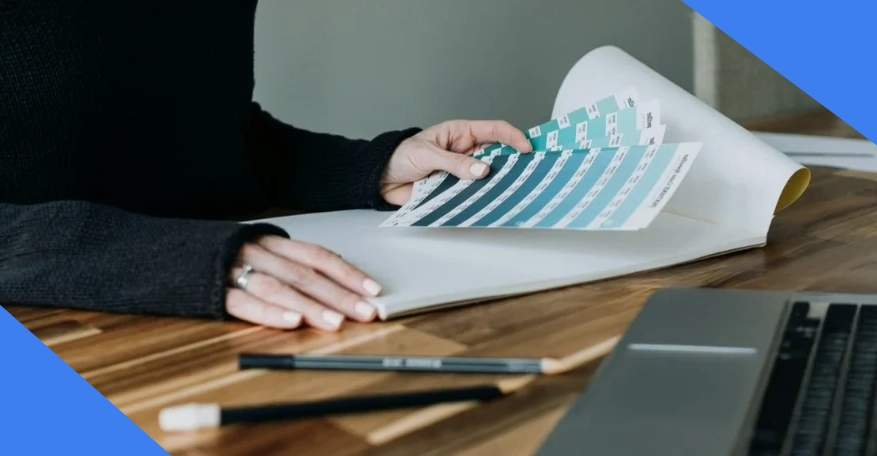
With a product and a supplier sorted, you give the brand a face. The instinct here is to overthink it — to chase a clever logo or a complex palette. Resist that. For a dropshipping brand, simple and consistent beats elaborate every time. A clean wordmark used the same way everywhere reads as a real company; a fancy logo applied inconsistently reads as amateur. You’re not building an art project — you’re building recognition.
Three decisions cover almost all of it:
- A clean logo. You don’t need a designer or a big budget to start. A clear, legible wordmark — your brand name in a good typeface — is enough, and you can make one free in a tool like Canva or have one done cheaply on Fiverr. Avoid tiny details that vanish when printed small on a label or sticker; it has to stay sharp at the size it’ll actually appear.
- Two fixed colors. Pick a primary and an accent, and then do not change them. The power is in repetition: the same two colors on your store, your logo, your boxes, and your inserts is what makes a customer subconsciously recognize “this is that brand.” Constantly changing colors erases that recognition before it forms.
- One consistent look, everywhere. Your website, packaging, product labels, thank-you cards, and even your ad creative should feel like they came from the same place. Consistency is the brand — it’s the signal that there’s an organized company behind the order, not a one-off reseller.
Then decide where your identity actually appears — this is the part people forget, and it’s what separates a branded product from a generic one with a logo slapped on:
- On the product — a printed logo, an engraving, or a woven label (this is the private-label step your agent handles).
- On the packaging — the box or mailer, a sticker seal, the tape.
- Inside the package — a thank-you card, an insert, a discount code for the next order.
You don’t need all of these on day one. A logo on the box plus a branded thank-you card is already a complete, premium-feeling unboxing. The goal isn’t maximum stuff — it’s a coherent experience where every touchpoint says the same thing.
Step 4: Turn Packaging Into the Unboxing
Packaging is where the brand stops being a logo on a screen and becomes something the customer physically holds. It’s the single highest-leverage touchpoint you have — the moment a buyer decides whether they bought from a real brand or an anonymous reseller happens when they open the parcel. You don’t need to spend much; you need to choose deliberately. A few decisions cover it.
Match the format to the product. The container should fit what you sell, not just look impressive:
- Mailer bags — light, cheap, and right for soft or non-fragile goods like apparel and accessories. A branded poly or padded mailer is the lowest-cost way to look intentional.
- Boxes — for higher-value, gift-able, or fragile items where the unboxing itself is part of the value (electronics, premium goods, anything you’d want photographed).
- Protective inserts — for anything that can break or rattle, a snug insert (like cut foam) stops movement, cuts damage claims, and makes the open feel considered rather than cheap.
Layer the small touches that do the heavy lifting. The details punch far above their cost:
- A logo sticker or seal on the outside, so the brand registers before the box is even open.
- A thank-you card inside — the cheapest loyalty tool there is, especially with a discount code that pulls the customer back for a second order.
- Optional extras like tissue, a small insert, or care instructions, depending on the product.
The rule of thumb: a branded mailer or box, a sticker, and a thank-you card already create a complete, premium-feeling unboxing. Start there before adding anything fancier — coherence matters more than quantity.
Two practical notes. First, keep it consistent with Step 3 — same logo, same two colors — so the package matches the store the customer just bought from. Second, packaging is the one step with real per-item pricing and minimums to weigh (cards vs. mailers vs. boxes all cost differently), and that’s a service-level detail rather than a concept — you can see the packaging options and pricing on our branded dropshipping service page rather than us pasting numbers here that go stale.
Step 5: Build a Store That Looks Like It Belongs to a Real Company
The package is half the brand; your store is the other half — and it’s the half the customer sees first, before they ever pay. A buyer who lands on a cluttered, generic-looking store quietly decides “this might be a scam” and leaves before the great packaging ever gets a chance. The branded experience has to start the moment they arrive, not when the parcel does. You don’t need design skills for this — you need to get a few things right and avoid the obvious tells.
Replace the marketplace photos. This is the biggest giveaway of a generic store. The exact same supplier images that ten other stores use — sometimes with foreign text still on them — instantly signal “reseller.” Order the product to yourself and shoot clean, bright photos, or have your agent supply real photos of your branded version. Your own imagery is one of the strongest trust signals you have.
Write like a brand, not a catalog. Generic stores paste the supplier’s spec-sheet description. A brand explains, simply and in its own voice, who the product is for and why it’s good. You don’t need a fabricated origin story — just clear, honest copy that shows a human stands behind it. A short, genuine line about why you sell this product builds more trust than a wall of features.
Keep the design clean and the palette consistent. Use a simple, uncluttered theme, and carry the same two colors and logo from Step 3 across the site. Visual consistency between store, ads, and packaging is what tells a customer all of it comes from one organized company.
Make buying feel safe and easy. The practical trust signals matter: a frictionless checkout, visible contact information, clear shipping and returns details, and genuine reviews or social proof. These are the small reassurances that turn a hesitant first-time visitor into a buyer — exactly the trust the whole brand is built to earn.
Done right, the store and the package tell one continuous story: a customer who trusted you enough to buy gets a parcel that confirms the decision — and that loop, store to unboxing and back, is what makes them come again.
Already Have a Store? How to Brand It Without Starting Over
Everything above reads like a from-scratch build, but most people doing this aren’t starting fresh — they already have a generic store making some sales and want to upgrade it into a brand. Good news: you don’t rebuild anything. Branding an existing store is usually faster than starting new, because the hard part — finding a product that sells — is already done. You’re branding a known winner instead of guessing.
Work in this order so you’re never offline or overspending:
- Start from your best-seller, not the whole catalog. Look at your store data and pick the one or two products that already sell consistently. Brand those first. Don’t pay to put packaging around products you’re still testing — leave the long tail generic until it proves itself.
- Switch that product’s fulfillment to a branding-capable agent. This is the real change: move your winner from a generic marketplace supplier to an agent who can private-label and ship it in your packaging (the Step 2 screen applies here too). Your storefront and listings can stay exactly as they are while the back-end supply changes.
- Layer the visual identity onto what’s already there. Add your logo, set your two colors, and apply them to the store and the new packaging. You’re refreshing the existing store’s look, not rebuilding it — a cleaner theme, your own photos, consistent colors.
- Tell your existing customers about the upgrade. The people who already bought from you are your warmest audience. A simple “we’ve upgraded our packaging and brand” message to past buyers can bring back the repeat orders that branding is designed to earn — at zero ad cost.
The mistake to avoid is treating “build a brand” as “tear it all down and restart.” You don’t. You keep the store, the sales, and the customers you’ve already earned, and you brand the part that’s already working — which is exactly why upgrading an existing store is one of the lowest-risk ways to start.
Your Branded Store, Step by Step
Branding a dropshipping store sounds like a big project, but it’s really just a sequence done in the right order. Start from a product that already sells. Move it to a supplier who can private-label and ship it under your name. Give it a simple, consistent visual identity. Turn the packaging into an unboxing that feels like a real company. Wrap it all in a clean, trustworthy store. None of these steps is hard on its own — the value is in doing them in order and keeping every touchpoint saying the same thing.
And remember the principle that runs through all of it: brand the winner, not the test. Validate cheaply, then invest your branding effort in the product that’s earned it. That single rule keeps you from spending money on packaging for things that were never going to sell.
This was the how. If you find yourself needing the other pieces along the way, each has its own page: what the model actually is in what branded dropshipping is, the case for doing it at all in why branding matters in 2026, and whether it’s the right move for your current stage in regular vs branded dropshipping.
Ready to put these steps into action? DailyFulfill handles the build for you — we source your product, private-label it, design and apply your custom packaging with low minimums, run quality control, and ship it worldwide under your brand. You bring the product that’s selling; we turn it into a branded operation. Start with our branded dropshipping services →

 English
 Français
 Deutsch
 Nederlands
 Polski
 Español