Home Top Niches
Dropshipping Services
Branding Service Inventory Storage Product Sourcing Fulfillment Solutions White Label Dropshipping Private Label Dropshipping
Fulfillment Services
Amazon Fulfillment Ebay Fulfillment Etsy Fulfillment Shopify Fulfillment TikTok Shop Fulfillment WooCommerce Fulfillment
Launch Your Brand
Branding Support Store Design Shopify App Design Label Design Financial Services Custom Solutions
About Us
About Us Blog FAQs Our Team Free Quote Integrations Testimonials
Footwear sourcing · QC · fulfillment

Shoes Dropshipping Supplier for Scaling Footwear Brands

Build a footwear supply chain around the details that protect repeat orders: model-specific size mapping, approved samples, batch checks, packaging that controls damage and volumetric weight, and global fulfillment from our Guangzhou warehouse.

Size & SKU Mapping Sample-Led Sourcing Custom Packaging Existing Suppliers Welcome
Request a Footwear Supply Review
Stock testing available Private label after sample approval Guangzhou fulfillment
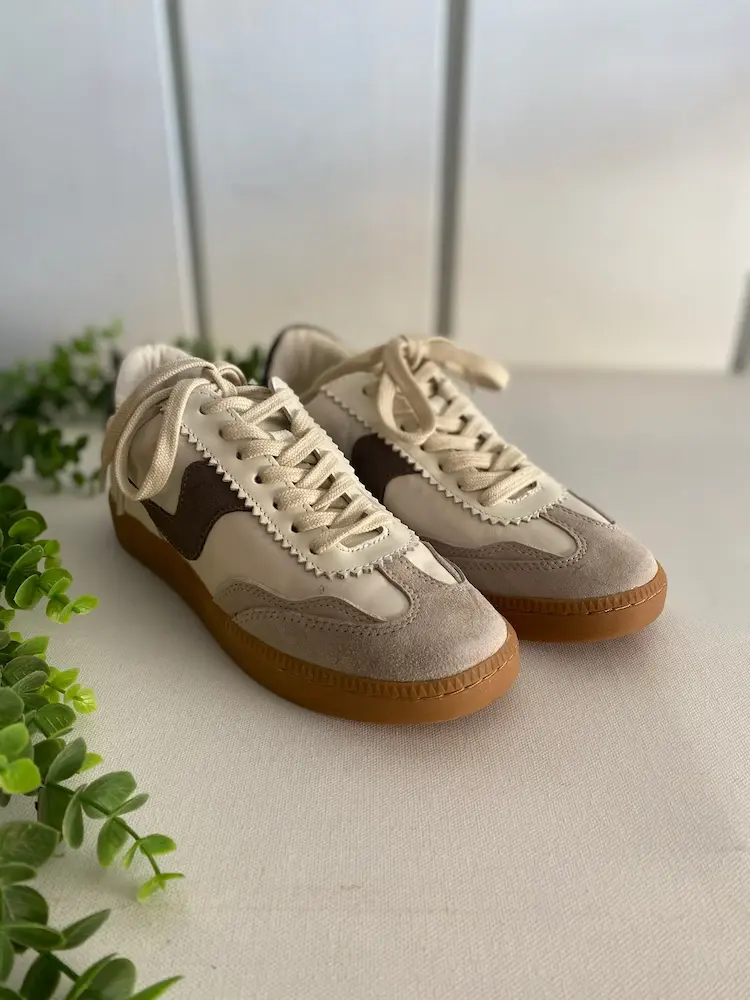
Footwear sample for shoe sourcing, size review and fulfillment
Fit checked by model Not a universal size chart
Packaging planned Protection and freight together
For sellers with live demand

Footwear Operations Get Harder After the Product Starts Selling

A winning shoe creates more than order volume. It creates a size grid, multiple colorways, batch-to-batch quality risk and a packaging decision that directly affects both returns and landed cost.

Size Matrix & Market Fit

CN, EU, US and UK labels do not remove fit risk. The approved sample, actual measurements and the target market must define the working size map.

  • Model-specific size mapping
  • Large-size availability planning
  • Feedback-driven chart updates

Supplier & Batch Stability

Similar listing photos can hide different leather, fabric, hardware and construction. A lower quote can also introduce mixed quality after volume increases.

  • Compare sample and production batch
  • Confirm stock and replenishment
  • Escalate inspection when risk rises

Packaging & Reorder Rhythm

Shoe boxes protect shape but add volumetric weight. Box-free shipping can reduce cost only after the product and support materials pass a realistic packing test.

  • Damage-risk packaging standard
  • Actual and volumetric weight review
  • Inventory plan by size velocity
Where margin disappears

A Cheaper Pair Can Create a More Expensive Return Problem

Footwear quality is hard to judge from a supplier listing. When volume rises, weak glue, squeaking, poor support, material substitutions or mixed quality levels can turn a price saving into customer service and replacement cost.

Sample and listing are not the same

Photos alone cannot confirm material feel, fit, construction or finishing.

Quality drifts after the product scales

Compare repeat batches with the approved reference and agreed checkpoints.

Packaging choices move two costs

Damage and volumetric weight must be reviewed together before rollout.

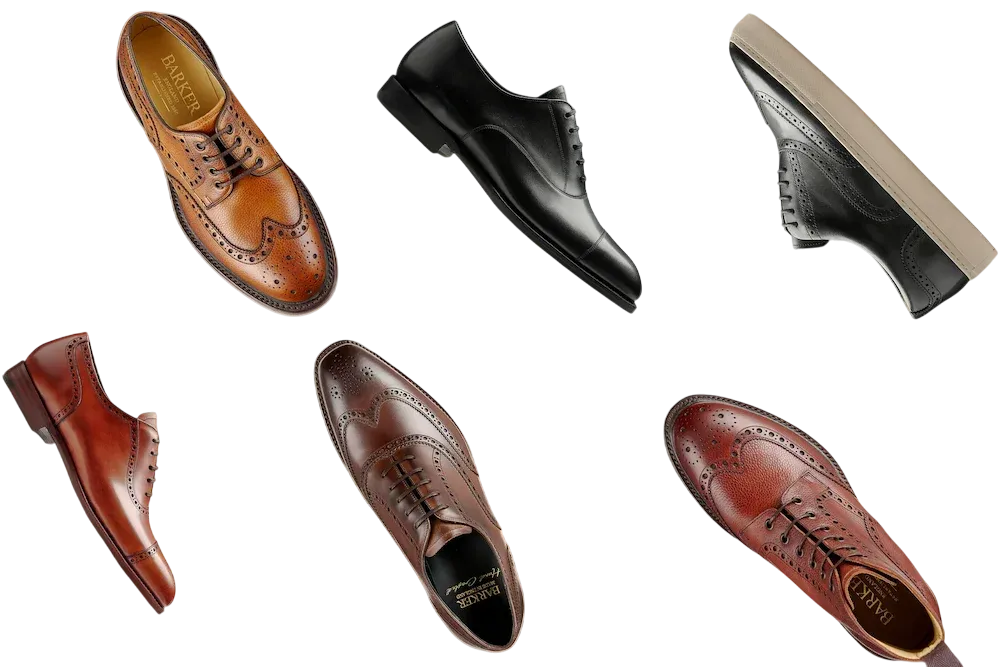
Different dress shoe styles for footwear supplier and quality comparison
Control the pair before you scale the SKU grid
Approve the sample Lock fit references Set packaging rules
Category Coverage

Footwear Categories We Can Source and Fulfill

We source around your target customer, price level, construction and size range. The first review focuses on whether the supply chain can support the SKU matrix and repeat-order standard you need.

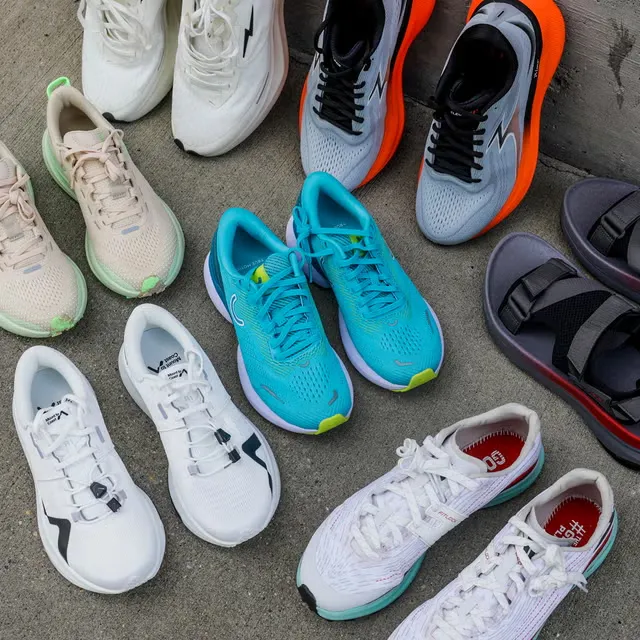
Footwear categories available for sourcing and fulfillment
Range Planning
Source the Range, Not Just One Listing

Compare materials, size availability, construction, packaging and replenishment before choosing the supplier.

Everyday
01

Sneakers & Trainers

Lifestyle, knit, court and comfort-led models with size and colorway planning.

Smart Casual
02

Flats & Loafers

Women’s flats, mules, loafers and office-ready styles with material and finish checks.

Occasion
03

Heels & Dress Shoes

Construction, surface finish, heel stability and shape protection need clear standards.

Seasonal
04

Boots

Chelsea, ankle, winter and fashion boots with higher volume and packaging considerations.

Warm Weather
05

Sandals & Slippers

Casual, indoor and outdoor styles with strap, sole and size consistency checks.

Special Ranges
06

Kids & Niche Footwear

Fast-changing size demand and model-specific requirements planned before sourcing.

Size & Fit Control

Build the Size System Before You Scale the SKU Matrix

A CN, EU, US or UK label is only a starting reference. Fit should be tied to the exact shoe model, an approved sample, a consistent measurement method and feedback from your target customers.

01
Market Definition

Define the Target Market and Wearer

Start with customer location, footwear category, expected fit profile and any demand for larger, smaller or wider sizes.

02
Sample Measurement

Measure the Approved Sample

Record the agreed measurement method and the relevant dimensions for the exact model—not a similar-looking supplier listing.

03
SKU Mapping

Build a Model-Specific Size Map

Connect supplier size, customer-facing label and internal SKU so every colorway and reorder follows the same reference.

04
Feedback Loop

Refine the Map With Order Feedback

Track too-small, too-large and model-specific return reasons, then update product guidance and inventory allocation by size.

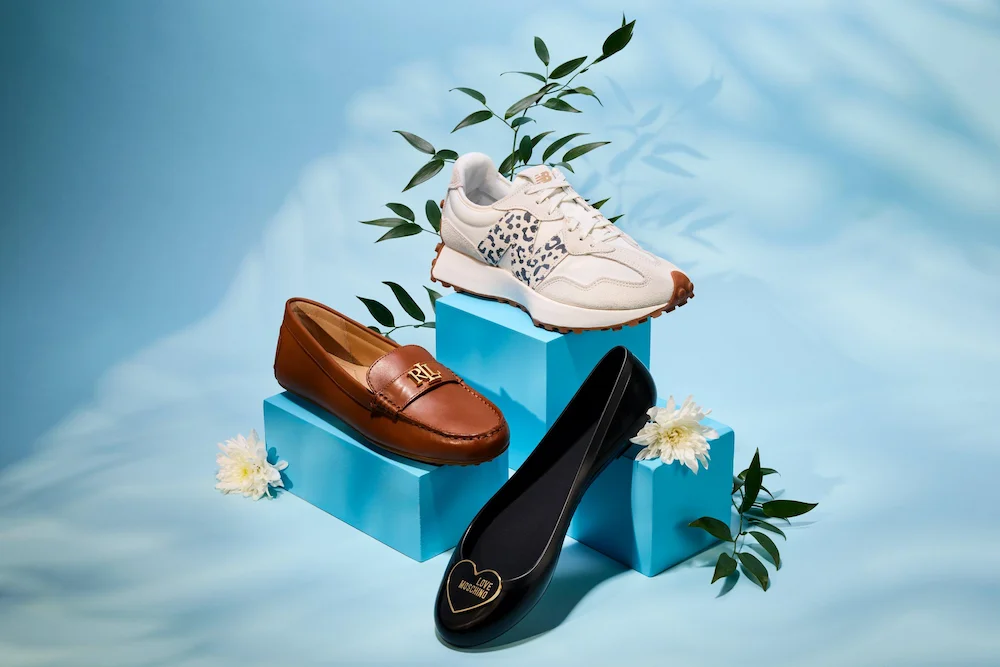
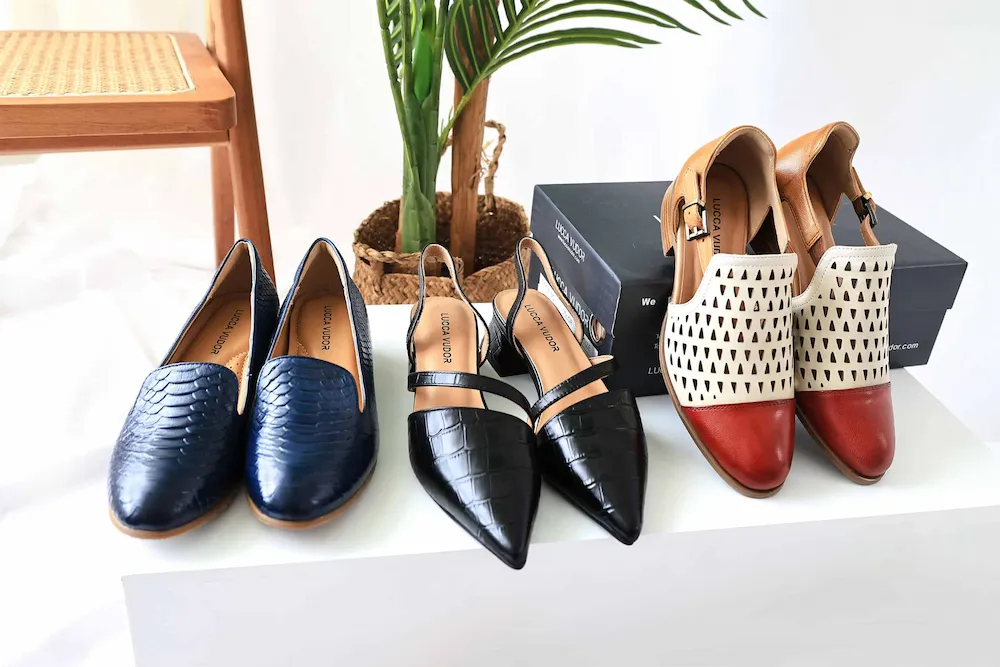
Women's footwear models for model-specific size and fit planning
Model-Specific Fit File
CN EU US UK Labels are references—not proof of identical fit
≠

There Is No Universal Shoe-Size Conversion Table

Confirm sizing against the exact sample, agreed measurement method and target-market feedback before rolling a model out across multiple colors and sizes.

What the Fit File Should Connect
Supplier Size
Selling Label
Internal SKU
Customer Feedback
Footwear Quality Control

Inspect the Failure Points Customers Actually Notice

A shoe can look correct in a supplier listing and still create returns after delivery. Quality checks should follow the approved sample and the risks created by construction, materials, order volume and customer feedback.

Footwear sample and production quality control
Risk-Based QC
The Approved Reference

The Listing Photo Is Not the Quality Standard

The approved sample, agreed specification and inspection scope create the working reference for production and repeat orders.

Stage 01 Sample Review
Stage 02 Batch Check
Stage 03 Dispatch Review
01

Construction & Bonding

Review sole bonding, glue marks, stitching, edge finishing and visible assembly defects against the approved reference.

02

Pair & Batch Consistency

Compare left and right shoes, color, material, shape and branding placement within the pair and across the production batch.

03

Fit & Dimension Checks

Check selected sizes using the same agreed measurement method used for the approved sample and record meaningful deviations.

04

Model-Specific Function

Review flex, noise, closures, straps, heel stability and support areas where they are relevant to the footwear construction.

05

Packaging & Dispatch Protection

Check inner protection, shoe shape support, box strength and carton arrangement against damage and shipping-cost requirements.

i

Inspection scope is confirmed before the order. Stock-product testing, repeat-batch checks and private-label production inspections are planned separately according to the product, supplier, order quantity and agreed commercial terms.

Packaging & Landed Cost

Protect the Product Without Shipping Unnecessary Volume

The lowest product quote is not always the lowest landed cost. Shoe boxes, inserts, shape protection, carton configuration and the final parcel dimensions can change both damage risk and shipping cost.

Packaging Decision

Choose the Pack After the Product Risk Is Clear

The right format depends on the shoe construction, brand presentation, damage tolerance and the shipping method used for customer orders.

01

Protective Shoe Box

More protection / More volume

Consider this for structured footwear, premium presentation or models that are vulnerable to compression and shape loss.

02

Tested Reduced-Volume Pack

Less volume / Test first

Suitable models may use a lower-volume format only after checking shape retention, pair protection and delivery condition.

03

Custom Branded Packaging

Brand value / MOQ & lead time

Confirm dimensions, print method, inserts, carton arrangement, minimum quantity and production schedule before rollout.

✓

Test before removing the shoe box. A freight saving only works when it does not create more crushed products, misshapen pairs or customer replacements.

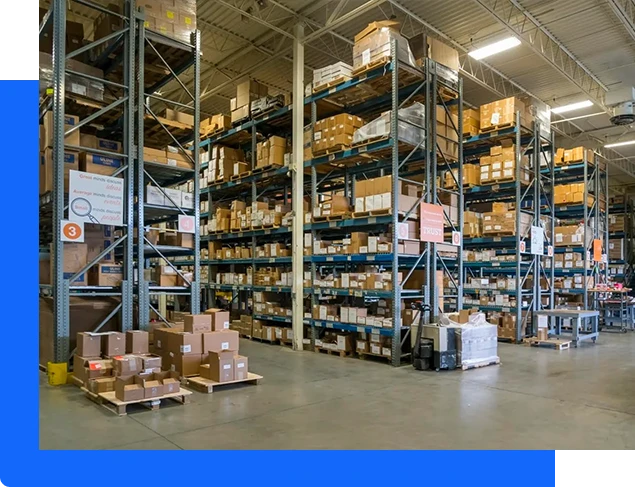
DailyFulfill Guangzhou warehouse and order fulfillment
Guangzhou Fulfillment
Review the Finished Parcel

Measure What Will Actually Enter the Shipping Network

Billable Weight Review

What Can Change the Shipping Charge?

Many courier services compare actual weight with volumetric weight and charge using the higher result. The formula and divisor depend on the selected carrier and shipping service.

Scale Measurement Actual Weight
vs
Packed Dimensions Volumetric Weight
Crush & Shape Risk
Final Packed Dimensions
Parcel & Carton Weight
Brand Presentation
Stock to Private Label

Use the Supply Path That Matches the Product’s Proven Demand

A footwear program does not need to begin with maximum customization. Match the sourcing route to your sales evidence, branding priorities, size matrix, inventory plan and available cash flow.

Choose Your Starting Point

Begin From the Supply Position You Already Have

We can review a new stock product, work with an existing supplier or build a private-label version around a proven demand pattern.

01
Lower-Commitment Validation

Test an Available Stock Style

Use confirmed supplier stock to evaluate fit, customer response and replenishment. Some ordinary stock styles may support one-piece testing, subject to live availability and supplier packing rules.

02
Keep What Already Works

Bring an Existing Supplier or Inventory

If a product or factory already performs, we can coordinate inventory intake and fulfillment from Guangzhou without forcing an immediate supplier change.

03
Sample-Led Development

Build a Private-Label Version

Confirm construction, materials, branding, colorways, size allocation, packaging, sample and inspection plan before bulk production begins.

✓

Existing suppliers are welcome. The operating workflow can begin with your current factory, current inventory or an entirely new sourcing request.

Private-Label Approval Path

Lock the Commercial Terms Before Production Starts

A final production plan follows the exact specification—not a generic footwear category or an indicative supplier listing.

01

Product Brief & Reference

Define the target model, customer market, price level, construction, colors, size range and branding requirements.

02

Sample & Fit Approval

Confirm the physical sample, material and finish reference, model-specific measurements and the required revisions.

03

MOQ, Allocation & Schedule

Confirm minimum quantity by style, color, size and process, then agree the size allocation, commercial terms and timeline.

04

Production, Inspection & Inbound

Produce against the approved reference, complete the agreed checks, pack the goods and receive inventory into Guangzhou.

i

Production timing is project-specific. Some selected, straightforward footwear programs may be around 15–20 days after all approvals. Custom molds, special materials, additional colors and sizes, or complex packaging can extend the schedule.

✓ MOQ Confirmed by Style, Color, Size & Process
✓ Lead Time Begins After Required Approvals
✓ Existing Suppliers and Inventory Can Be Onboarded
Historical Client Case

Growth Came After Fit, Capacity and Packaging Were Fixed Together

In this historical footwear case, the challenge was not simply finding another supplier. Large-size availability, US-market fit, transit damage and product differentiation all had to be addressed as one operating system.

Problem-to-Response Map

Each Growth Constraint Required a Different Operational Fix

The team connected after-sales feedback with size development, capacity planning, packaging protection and product redesign.

Observed Issue
Operating Response
Availability Large sizes were frequently unavailable
→
Capacity Response Joint stocking and additional mold capacity for high-demand sizes
Market Fit Existing footwear fit ran too small for US customers
→
Product Response A custom size mold was developed from order and after-sales feedback
Transit Damage Shoes could arrive crushed or misshapen
→
Packaging Response Custom shoe boxes and secured shoe trees were introduced
Product Risk The original appearance created market and IP concerns
→
Design Response The footwear appearance was redesigned for clearer differentiation
✓

The improvements were connected. Size development, stock planning, protective packaging and product redesign were implemented as parts of the same footwear program.

Reported Historical Outcomes

What Changed in This Client’s Program

Size-Related After-Sales ~20% → 1–2%

Fewer Size-Related Problems

The reported rate improved after a market-specific size solution was developed and refined with customer feedback.

Daily Order Volume ~10 → Peak 850

More Capacity Behind Demand

Daily orders grew from roughly ten to a reported peak of 850 while stock availability and supporting capacity were expanded.

Crush-Related After-Sales Approached 0

Better Transit Protection

After custom boxes and secured shoe trees were introduced, reported crush-related after-sales approached zero.

i

This is one historical client case, not a performance guarantee. Results depend on the product, market demand, pricing, advertising, inventory decisions, supplier execution and the client’s wider operation. “Peak” order volume does not mean a permanent daily average.

The Operating Lesson

The result did not come from one cheaper quote—it came from connecting fit data, size capacity, packaging protection and product differentiation to the same repeat-order workflow.

Customer Feedback

What Clients Value in the Working Relationship

Product sourcing is only one part of the operation. Clear communication, fast responses and practical support become more important when orders, suppliers and customer expectations are moving at the same time.

★★★★★
Service Feedback
“She is incredibly helpful, responds quickly and her communication is always clear and friendly.”

Mick’s feedback focuses on day-to-day order processing, responsiveness and clear communication while DailyFulfill supports the operation of an online store.

Clear Communication Fast Responses Order Coordination
Mick Boumans
Mick Boumans Sales Manager
★★★★★
Business Support
“Iris goes above and beyond to help us.”

Sami’s feedback describes support during business growth and difficult situations, including practical guidance beyond basic supplier order execution.

Problem Solving Growth Support Long-Term Partnership
Sami
Sami CEO
i

Review context: these comments describe the clients’ general experience with communication, order coordination and business support. They should not be interpreted as guarantees of footwear sales, delivery outcomes or financial performance.

Review More Customer Experiences

Visit DailyFulfill’s Trustpilot profile to read customer feedback beyond the testimonials selected for this page.

Read More Reviews →

FAQs About Shoes Dropshipping and Fulfillment

Yes. If your current factory, product or purchasing relationship is already working, you do not need to replace it simply to use DailyFulfill.
We can discuss receiving inventory from your existing supplier, coordinating inbound requirements, arranging agreed checks, storing approved inventory in our Guangzhou warehouse and fulfilling individual customer orders.
Before inventory is transferred, we confirm the division of responsibilities, product information, SKU structure, packaging standard, inbound process and fulfillment requirements.

Yes, when a suitable stock product is available. Testing an existing style can help you evaluate product quality, customer fit, size demand, packaging and market response before moving into a larger private-label program.
Some ordinary in-stock shoes may be available for small-volume or one-piece testing, but this depends on live supplier inventory, available sizes and colors, carton rules and the supplier’s commercial terms.
Stock testing does not automatically confirm that the same product can be reproduced as a private-label version. Materials, construction, branding, MOQ and production specifications still need to be reviewed separately.

We do not treat a generic international conversion chart as proof that a shoe will fit correctly.

Sizing should be confirmed for the exact footwear model using an approved sample, a consistent measurement method, the supplier’s size reference and the expectations of the target market. The working size file should connect:

  • Supplier size
  • Customer-facing size label
  • Internal SKU
  • Relevant measurements
  • Fit notes
  • Customer and return feedback

Because different molds and constructions can fit differently, two shoes carrying the same size label may not provide the same fit.

There is no universal MOQ for private-label footwear.
The minimum quantity can depend on the shoe style, construction, material, color, size range, mold requirements, logo process, packaging and the factory’s production arrangement. A minimum may also be allocated across sizes or colors rather than applying only to the total order quantity.
We confirm the applicable MOQ after reviewing the exact product specification and sample requirements. Any quantity provided before that review should be treated as indicative rather than final.

Production timing is project-specific and should be separated into individual stages: product confirmation, sampling, revision, approval, material preparation, production, inspection, packaging and warehouse inbound.
Some selected and relatively straightforward footwear programs may take around 15–20 days after all required approvals. This is not a universal lead-time promise.
Custom molds, special materials, multiple colorways, a wider size matrix, complex branding, custom packaging or sample revisions can extend the schedule. The confirmed timeline should begin only after the required specifications, sample, commercial terms and production conditions have been approved.

Ready to Review Your Footwear Program?

Start With a Footwear Supply Review Built Around Real Demand

Share the product, target market, size range, order volume and current supply position. We can then review whether the right next step is stock testing, supplier onboarding, private-label production or Guangzhou-based fulfillment.

✓

Best suited to brands with live demand, repeat orders or a clearly defined launch plan. You do not need to replace a supplier that is already working.

Existing Suppliers Welcome Sample-Led Sourcing Guangzhou Fulfillment
Prepare Your Inquiry

Include These Four Details for a More Useful First Review

The more specific the starting information, the more specific the sourcing and fulfillment discussion can be.

01

Product Reference

Current listing, supplier link, sample photo or target model.

02

Target Market & Size Range

Selling countries, customer profile and required size coverage.

03

Current or Forecast Volume

Current daily orders, expected launch volume or reorder pattern.

04

Required Supply Route

Stock testing, private label, new sourcing or existing supplier.

i

Exact terms follow the exact specification. MOQ, lead time, QC scope, packaging and shipping options are confirmed after the product and operating requirements are clear.

Product availability, production timing and shipping options remain subject to the confirmed specification, supplier and destination.