
 English
 Français
 Deutsch
 Nederlands
 Polski
 Español
Listing and SKU Mapping
Map the correct account, eBay site, item IDs, SKUs, variants, bundles, and warehouse references so each eligible order points to the approved product and packaging.
Connected data can reduce repeated entry, but reliable fulfillment still depends on accurate listing references, available inventory, realistic handling settings, an approved shipping route, and clear decisions when an order cannot follow the normal workflow.
Map the correct account, eBay site, item IDs, SKUs, variants, bundles, and warehouse references so each eligible order points to the approved product and packaging.
Confirm sellable stock, packaging availability, item location, order cut-off, daily capacity, shipping service, and a handling time that the operating workflow can consistently support.
Shipment creation, tracking upload, carrier acceptance, delivery, cancellation, address change, return, and buyer case are separate events with clearly assigned owners.

The integration can move supported order and shipment data. Listing accuracy, inventory readiness, warehouse processing, carrier acceptance, delivery performance, buyer feedback, cases, and eBay account outcomes remain distinct responsibilities.
Use the correct DailyFulfill account, select eBay in Store Management, authorize the intended seller account, and test the order and tracking workflow before increasing volume.
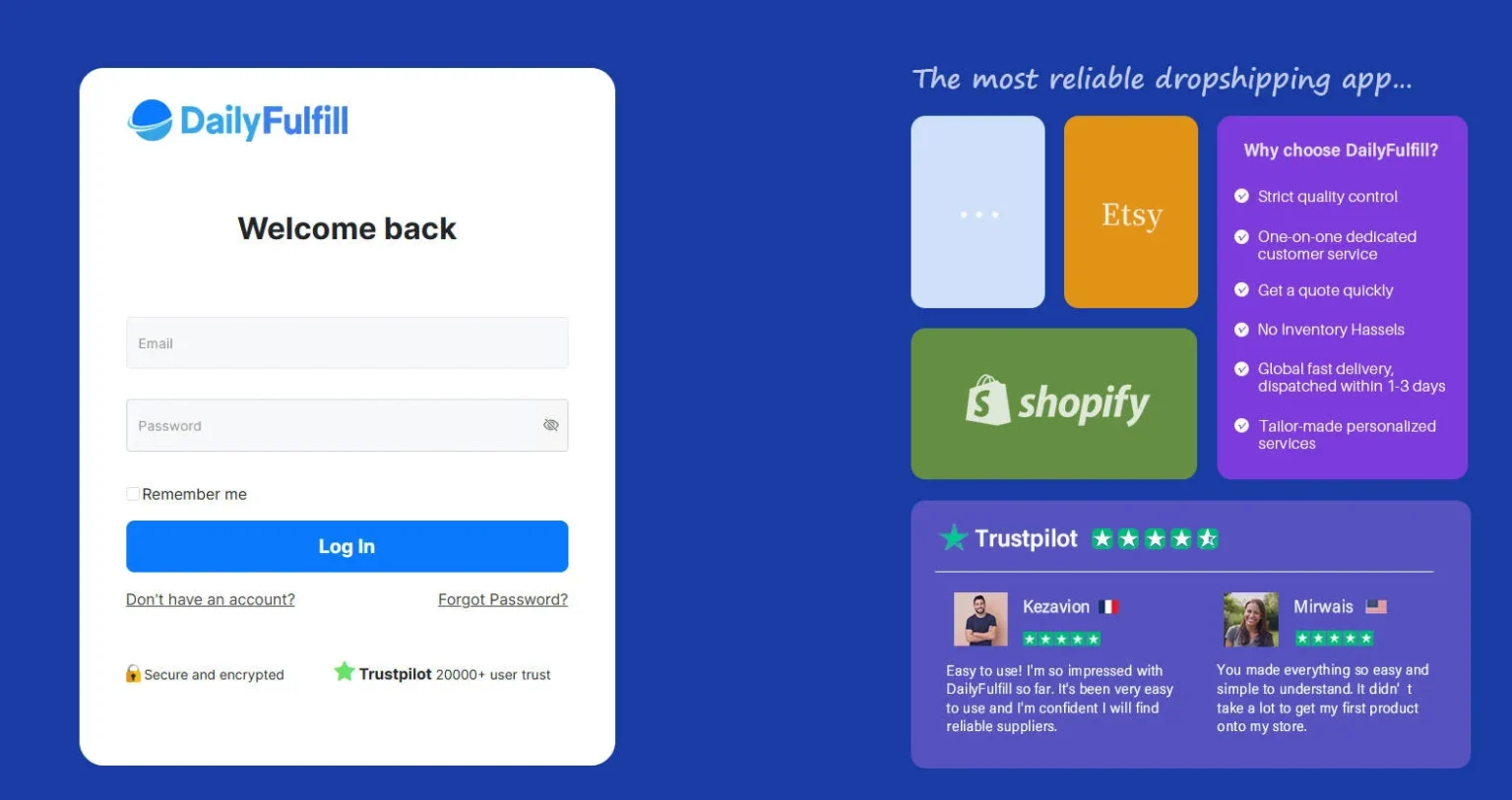
Sign in to the DailyFulfill account that will own the eBay connection, SKU references, inventory records, operating instructions, and exception communication.
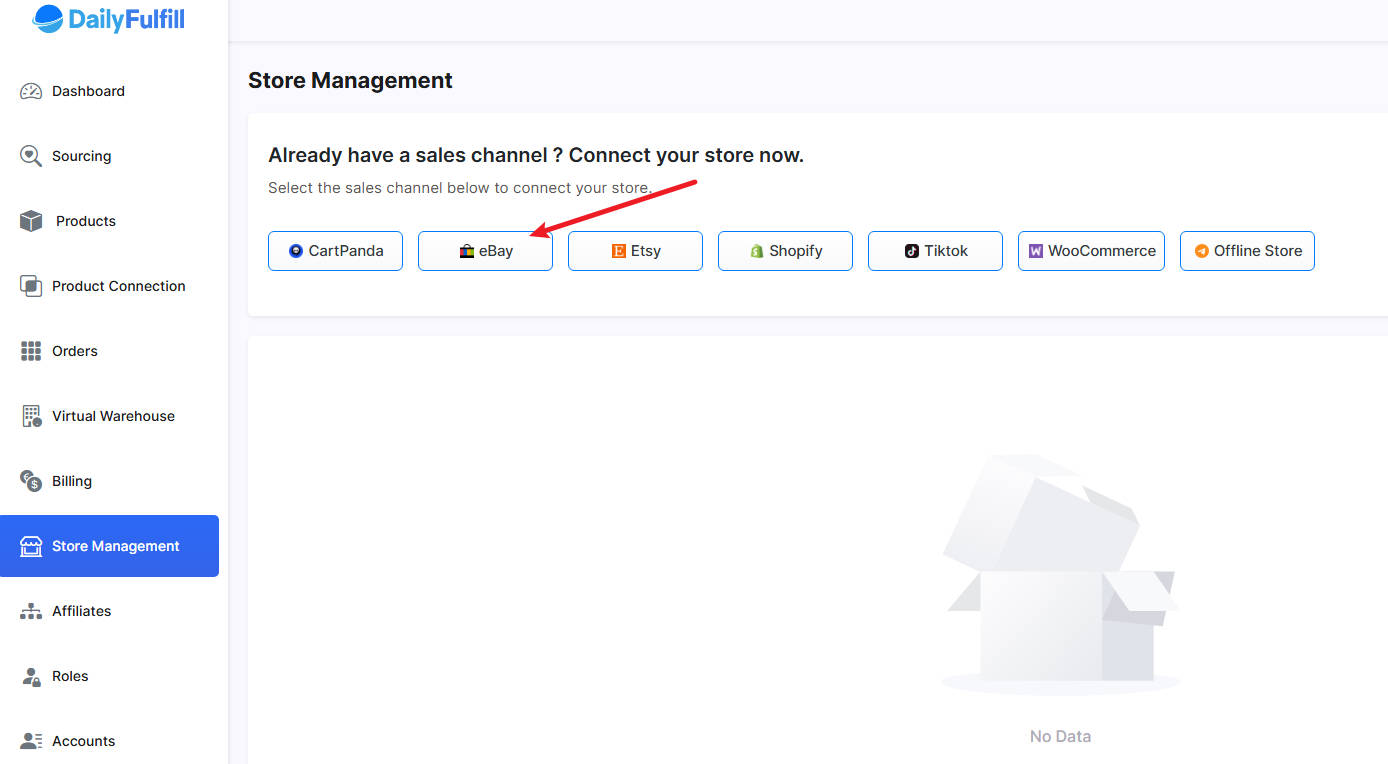
Open Store Management, choose eBay, and begin authorization only for the seller account intended for the agreed fulfillment workflow.
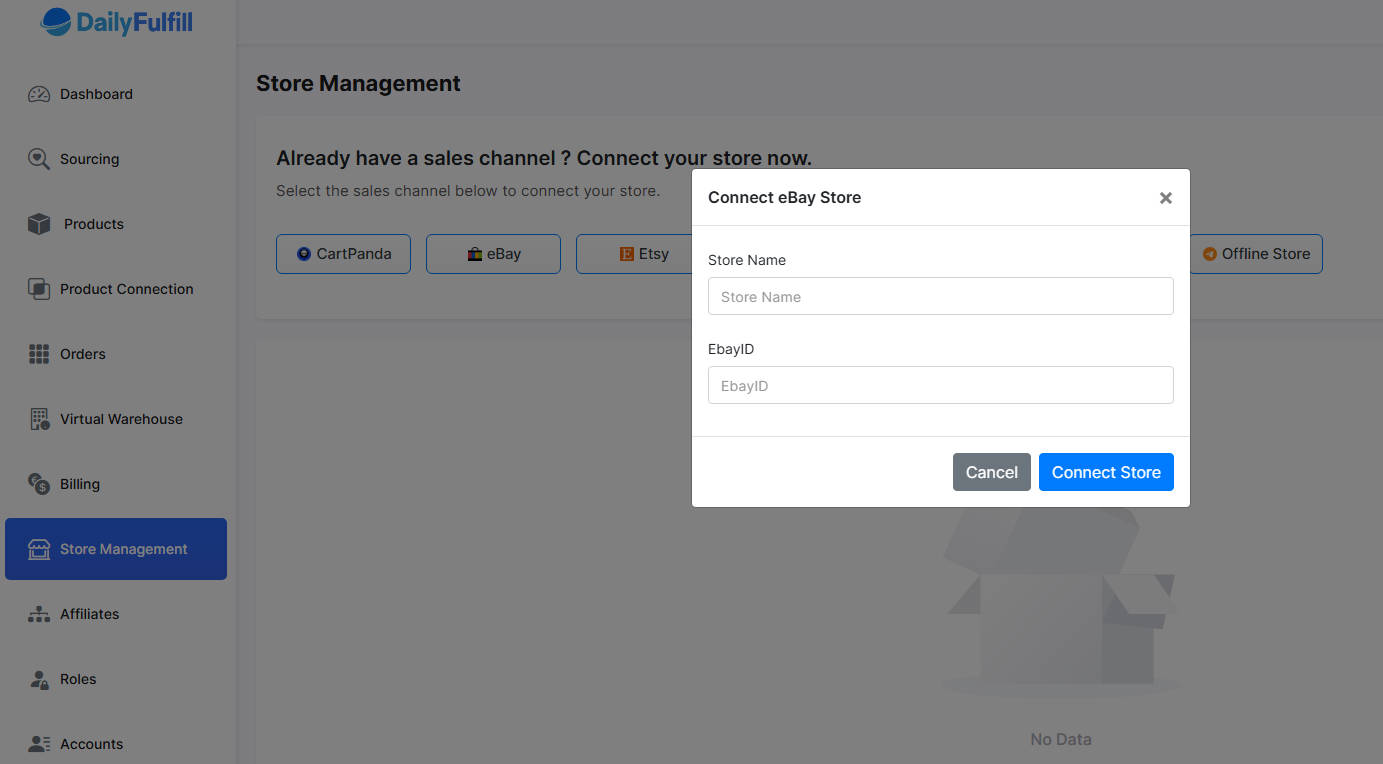
Confirm the account and site, then test eligible order import, item and SKU mapping, warehouse instructions, shipment creation, and tracking return.

Automation is useful only when the warehouse scope is clear. The operating plan should define inventory readiness, order-level checks, packaging, handling targets, dispatch, tracking return, and escalation rules.
Agreed checks may cover SKU, variant, quantity, bundle contents, visible damage, and packaging. Full inspection and product-specific tests are scoped separately.
Use blank or seller-approved branded materials according to the product, service scope, stock availability, quantity, and preparation lead time.
Monitor approved stock and packaging, agree the order cut-off and capacity, and raise low-stock or workflow exceptions before the handling promise is at risk.
Supported tracking can be returned after shipment creation. Carrier acceptance, later scans, delivery, and eBay's performance evaluation depend on downstream events.
Each platform has its own permissions, product references, shipping rules, and exception events. DailyFulfill can coordinate approved stores after each workflow is mapped separately.







Start with one approved seller account and a controlled test. Once order data, warehouse instructions, shipment creation, and tracking return are stable, increase volume in stages.

Keep the original visual resources while giving each guide a clear role in platform setup, product research, and fulfillment planning.

Compare inventory visibility, handling capacity, packaging, shipping routes, tracking events, returns, evidence, and exception ownership before selecting a workflow.

Evaluate product demand together with supplier conditions, samples, inventory, packaging, compliance, and shipping feasibility before committing volume.
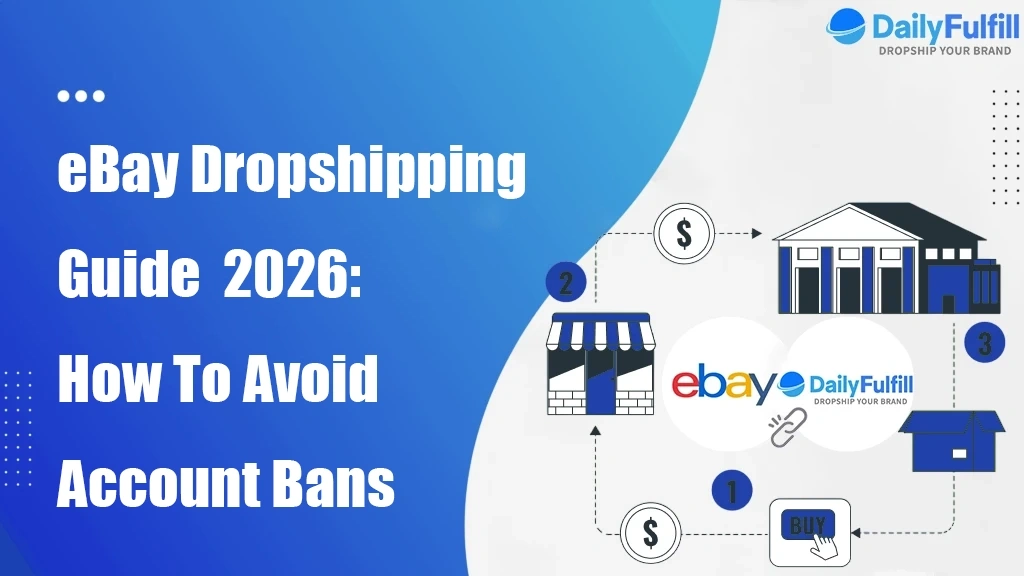
Understand how listings, products, suppliers, inventory, fulfillment, tracking, returns, buyer service, and eBay responsibilities fit together.
Store integration is one layer of the operating system. Product approval, supplier conditions, inventory, packaging, replenishment, and shipping feasibility should be ready before listings scale.
Explore More DailyFulfill Insights →